
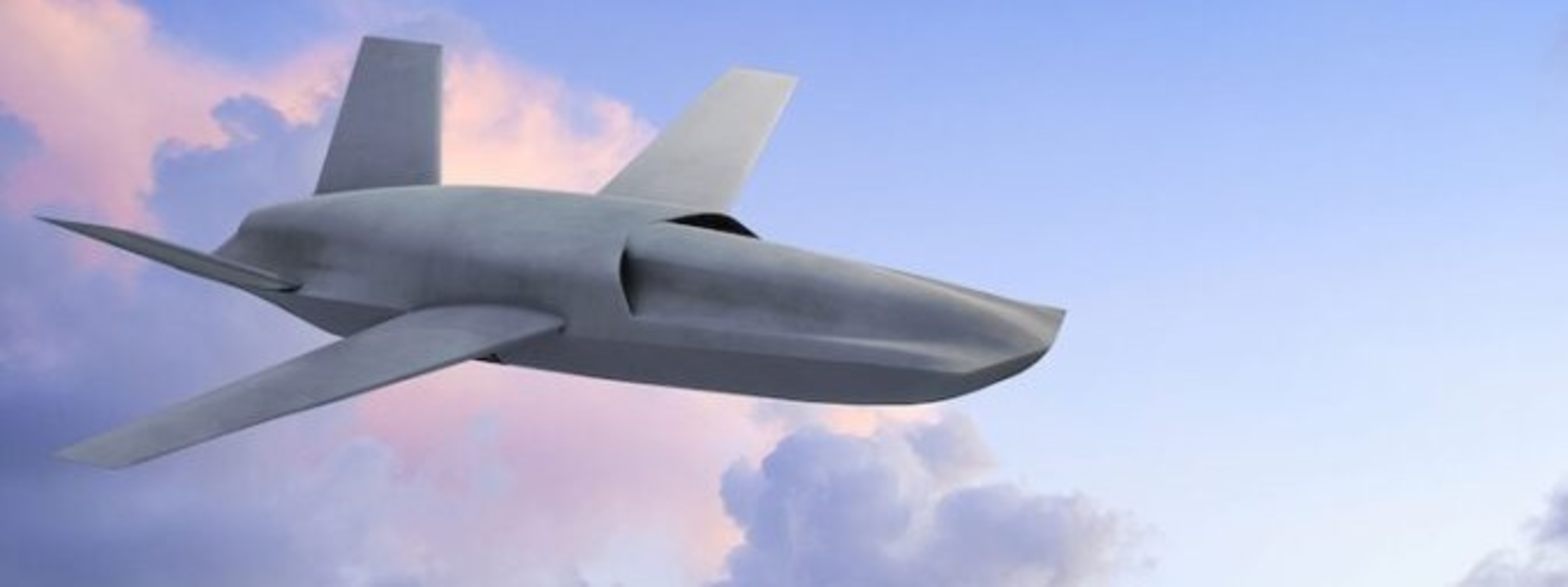
Teaming for success: Manned and unmanned teaming with autonomous aerial systems
First there were manned aircraft. Less than two decades after the Wright Brothers flew, pilotless aircraft were being developed during World War 1 by both American and British designers. This included Archibald Low’s radio control system that guided a de Havilland’s monoplane in March 2017. Low has been referred to as the ”Father of the remotely piloted vehicle”.
It should be no surprise then that 100 years later, combining the two, teaming them to achieve success, is a natural evolution in aviation.
As is commonly the way, military developments paired with advanced technologies, are leading in what has many descriptions – manned and unmanned teaming (MUM-T), collaborative combat aircraft (CCA), Loyal Wingman, and others.
What is clear is that the advancement in this field has drawn the attention and serious investment of some of the global defence industry heavyweights, with all eyes on who will be first to market with their sixth-generation fighter.
Earlier this year, Boeing’s successful bid sealed a US Government deal of $20Bn to develop the F-47, the successor to the F-22 Raptor. France, Germany and Spain are collaborating on the Future Combat Air System (FCAS) through Dassault, Airbus, and Indra Sistemas – the successor to the Rafale and Typhoon.
In June, the United Kingdom, Japan, and Italy accelerated their ‘Tempest’ design, with a formal commitment between BAE, Leonardo and Japan Industrial Enhancement Co to replace the Typhoon and F-2. South Korea’s KAI Aerospace is onboard, and India is exploring options, while China’s much publicised future combat aircraft programme remains a key motivator for Western sixth-generation programmes.
But stealth technology, AI advancements and composite material aren’t cheap. When these fighters are fielded through the 2030s global sales are likely to be in the trillions.