
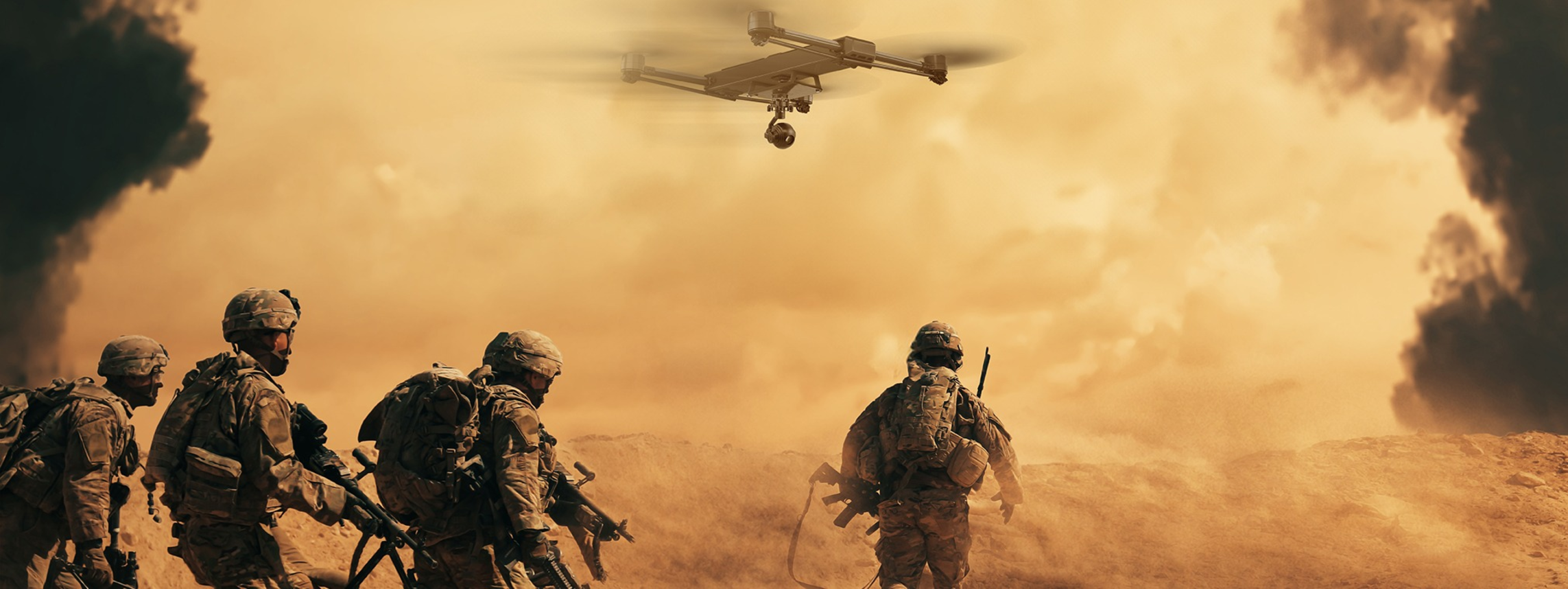
The Drone Revolution: How Asymmetric Warfare is Reshaping Defense Investments
The Ukraine-Russia conflict has become a proving ground for a new era of asymmetric warfare, where drones—once niche tools—now dominate battlefields. This shift is not merely tactical but transformative, redefining how nations project power, allocate resources, and innovate in defense. For investors, the implications are profound: the rise of drone-centric warfare is accelerating demand for next-generation technologies and resilient supply chains, creating a fertile ground for strategic capital allocation.
The Asymmetric Paradigm: Drones as Force Multipliers
The war in Ukraine has demonstrated that drones are no longer supplementary tools but central to modern conflict. Ukrainian forces have pioneered the use of First-Person-View (FPV) drones, mothership platforms, and AI-enhanced targeting systems, while Russia has adapted by scaling cheap, attritable models like the Shahed-136. These developments underscore a critical trend: asymmetric warfare is now defined by agility, cost efficiency, and technological adaptability.
Key innovations include:
- FPV Drones: Evolving from 7-inch to 13-inch variants, these platforms now carry payloads for bombing, reconnaissance, and relay missions. Ukraine's use of fiber-optic cables to transmit data over 50 km has mitigated jamming risks, a lesson global militaries are adopting.
- Long-Range Drones: Systems like the Lyutyy and Bober, with ranges up to 3,000 km, enable deep-strike capabilities, challenging traditional airpower dominance.
- AI and Autonomy: Autonomous navigation and target recognition, powered by specialized chips, are reducing human involvement in high-risk missions.