
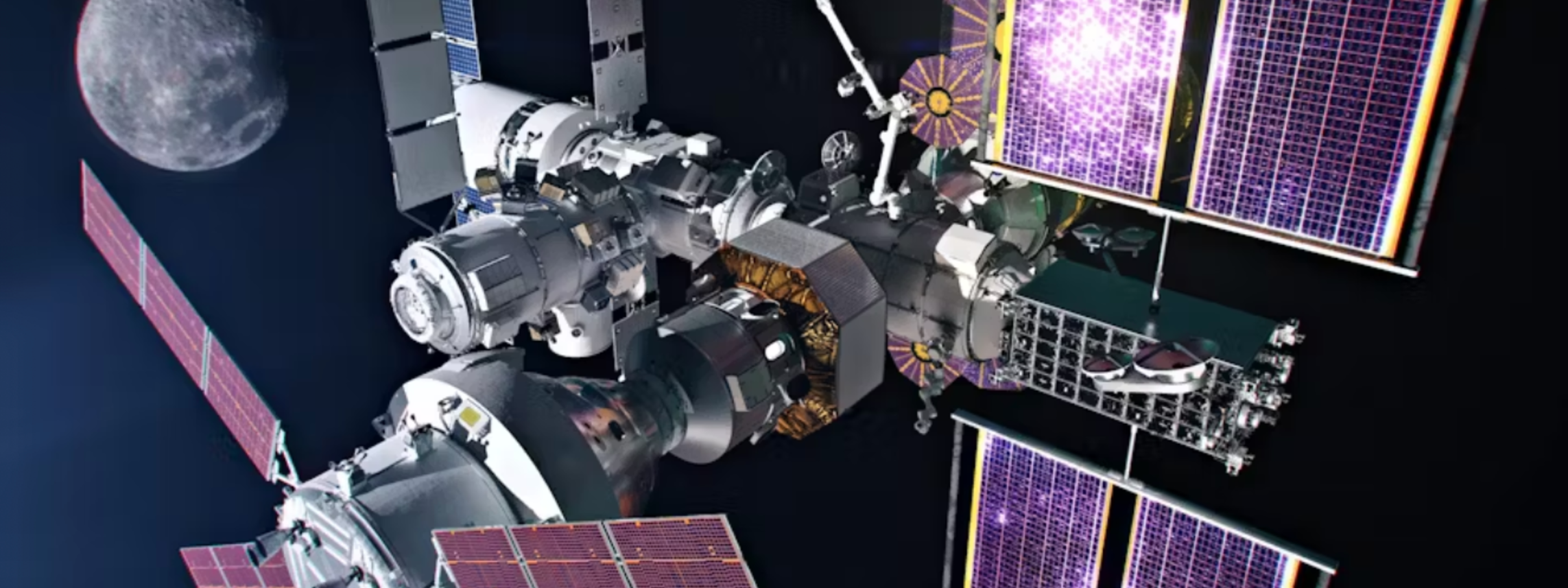
The future of crewed and uncrewed space flight
It's been more than half a century since humans first walked on the moon. American astronaut Neil Armstrong first set foot there in July 1969. The last human on the moon left in the lunar modular just three years later, and no one has been there since. Fifty-three percent of the world's population today weren't even born when NASA astronaut Eugene Cernan climbed into the lunar module in December 1972 for humanity's final return trip from the moon.
Now United States space exploration is set to return to the moon as early as 2027. But why do this after pouring the equivalent of $300 billion in today's dollars into the mid-20th century's Apollo program? It comes down to establishing a stepping stone toward putting the first humans on Mars sometime in the mid-to-late 2030s, with permanently crewed bases on the moon to launch and support Mars missions and help humans learn how to live and work for long periods away from Earth.
Besides using the moon as a jumping-off place for future Mars missions, scientists want to capitalize on a permanent lunar presence to search for resources like water and valuable minerals that could help support humans on the moon and perhaps bring back home. Scientists also want to develop new space technologies like creating breathable air from elements found on the moon, and developing robots to support life away from Earth. Politically, a permanent presence on the moon could help maintain U.S. technological leadership in its continuing competition with Western Europe and countries like China, India, and Russia.