
The EU’s Defence Union Dream May Not Survive It’s First Clash With Reality
The European Union’s bureaucrats are once again dreaming imperial dreams. This time, it is not a federal treasury, a pan-continental digital currency, or another ill-fated push for “strategic autonomy”— but a “single market for defence”.
At the heart of this latest fantasy lies a deceptively simple idea: pool defence procurement across the bloc, cut costs, and boost capability. The concept was floated with academic flair by Jeromin Zettelmeyer, head of the influential Bruegel think tank, in a recent interview with the Financial Times. The vision? A centralised European system where defence contracts are no longer subject to the squabbles of 27 national capitals, but disbursed from Brussels with technocratic precision.
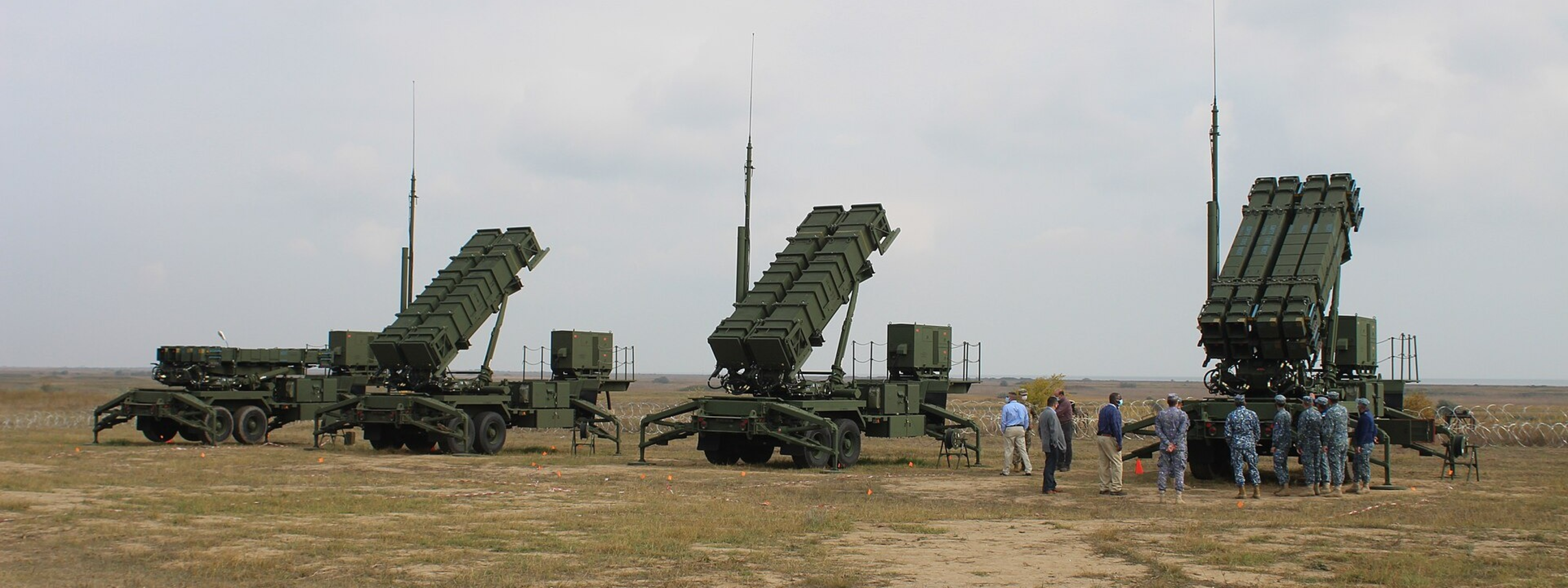
It sounds elegant on paper. After all, the EU’s sprawling patchwork of armies and suppliers leads to astonishing inefficiencies. Europe operates a dizzying 17 different main battle tanks, compared to one in the United States. Ammunition standards vary wildly, maintenance cycles differ, and coordination is often an afterthought. No wonder Ukraine has received fragmented aid in piecemeal fashion.