
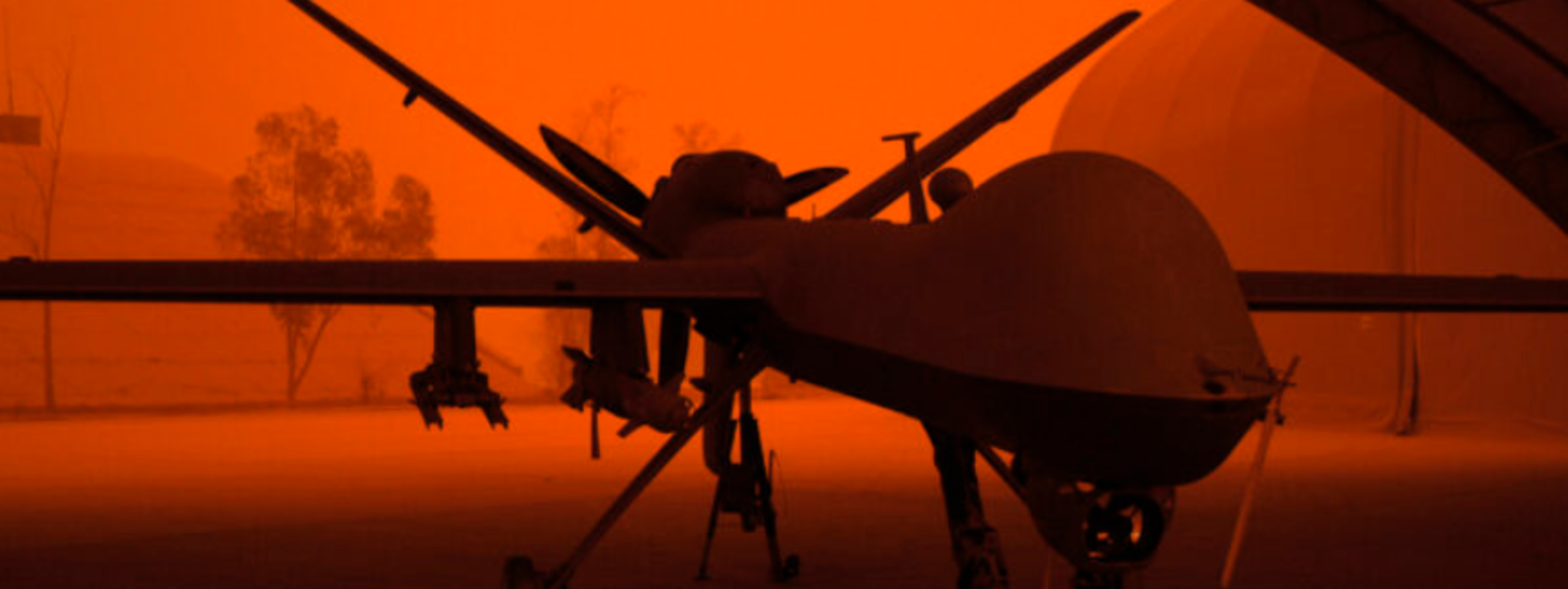
Ghost in the Machine: Coming to Terms with the Human Core of Unmanned War
The widespread assumption that the United States can achieve favorable outcomes in war with more machines and fewer humans must be subjected to rigorous scrutiny. This article challenges that assumption through a historical inquiry guided by the catalysts for war identified by Thucydides; it argues that the conditions of existential war and technological parity provoke reciprocal escalation that only large quantities of humans can reconcile. New military capabilities have always conjured illusions of control over war’s violent nature and elicited flawed theories of success in peacetime. The United States and many of its allies have once again embraced this tradition. As Western militaries grow more dependent on technological offsets, the United States must come to terms with the human face of its future wars.