
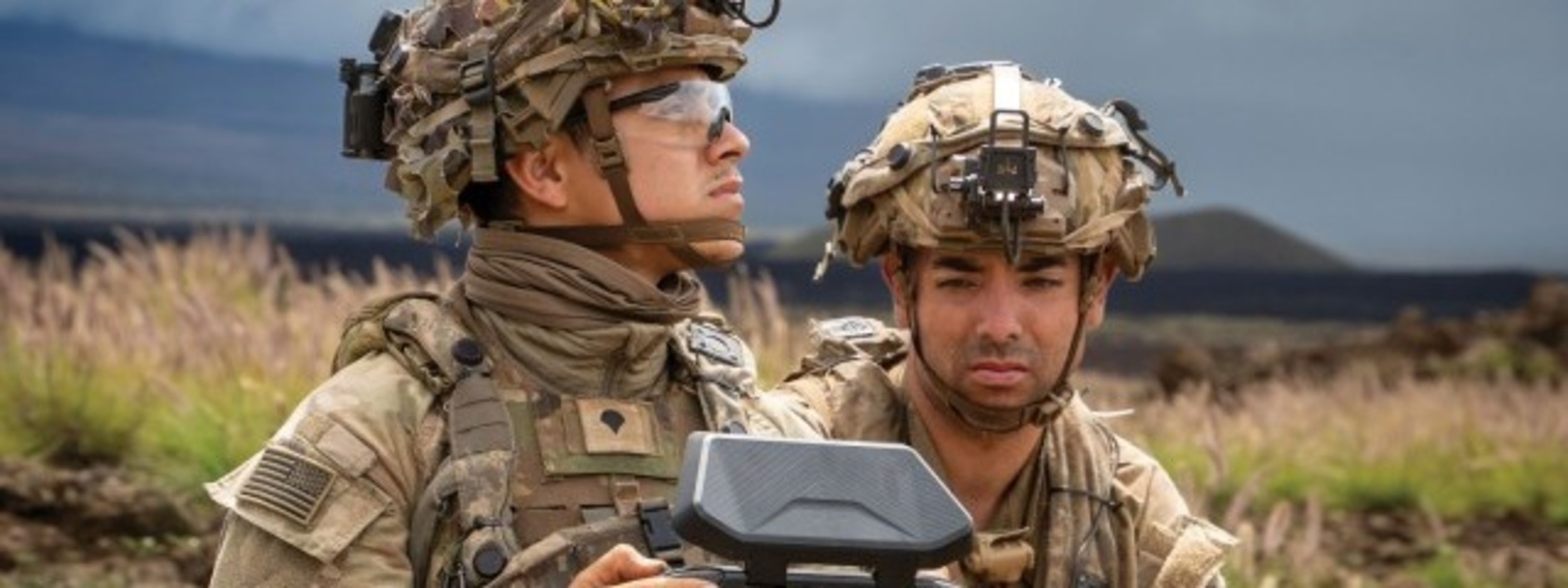
Reconnaissance in the Light Brigade Combat Team
The Army’s Transformation in Contact (TiC) initiative leverages emerging technology and future-forward force design to transition existing brigade combat teams (BCTs) into agile, hyper-enabled fighting formations.1 As the character of war has shifted, the Army has begun to adapt its BCT structure to better suit a division-centric fight. In 2024, the 25th Infantry Division’s 2nd Brigade Combat Team transitioned from an infantry brigade combat team (IBCT) to a light brigade combat team (LBCT-prototype). This experimentation is currently ongoing, with a Joint Pacific Multinational Readiness Center (JPMRC) rotation executed in October 2024.2 Initial returns are promising, but past and present training observations highlight challenges the LBCT has in fighting without a dedicated reconnaissance capability.
The LBCT is designed to be a lethal and adaptable formation that can fight in heavily restricted terrain. Traditional enabling assets like the brigade engineer battalion (BEB), cavalry squadron, and brigade sustainment battalion (BSB) have been restructured or eliminated entirely to lighten the formation and unburden the brigade staff. Building a more robust enabling capability at the division level facilitates the Army’s desire to return to it as a unit of action while allowing the brigade to focus on training and employing its rifle companies. The rifle battalion has also not been immune to change. Battalion scouts and mortars were combined with the remnants of the cavalry troop to form battalion-level cross-domain effects companies (CDEs). These companies have been employed as force generators, training specialty platoons that are attached to rifle companies for operational control. CDEs combine robotics and autonomous systems with traditional reconnaissance platoons to form lethal and highly enabled teams. The LBCT rifle company has more assets than ever to sense, see, and strike the enemy. Equipped with Infantry Squad Vehicles (ISVs), the LBCT’s infantry formations can rapidly move combat power around the battlefield while providing more off-road capability than legacy vehicles.