
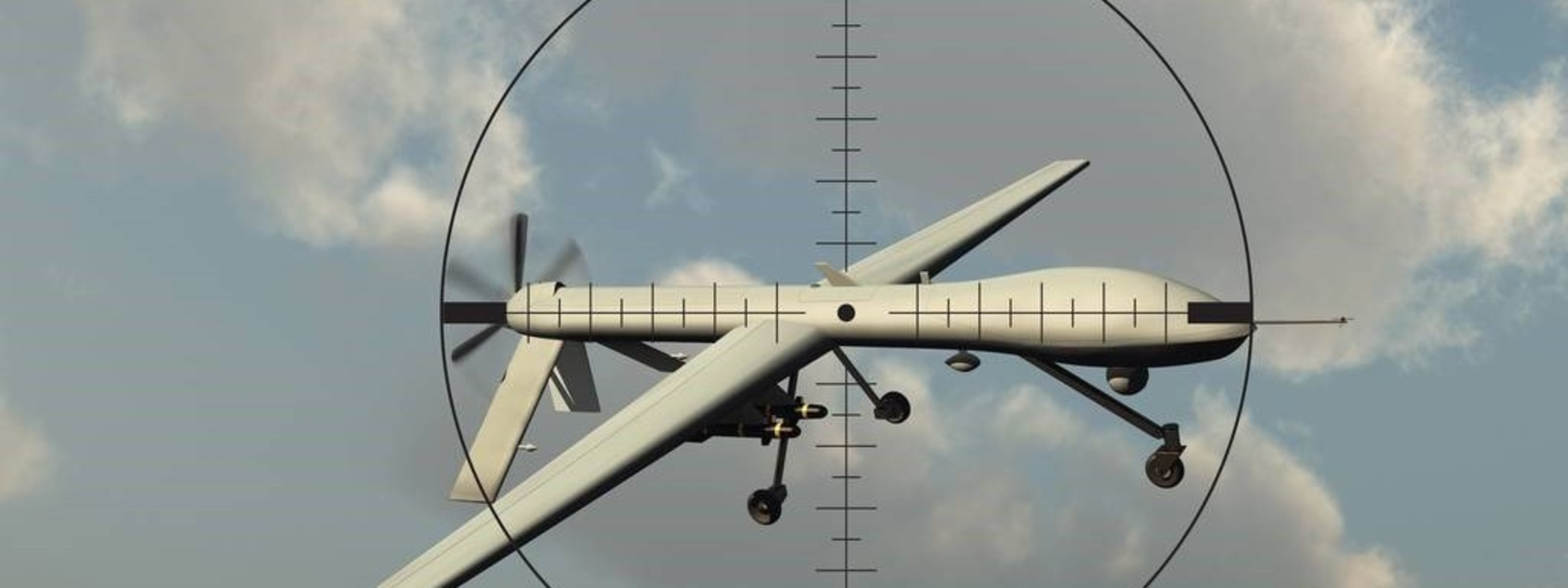
Department of Defense Releases New Strategy for Countering Unmanned Systems
The rise in the deployment of unmanned aircraft systems (UAS), particularly their use in the ongoing conflicts in Ukraine and Israel, has cast a stark light on the vulnerabilities these systems expose both on the battlefield and in civilian areas. Weaponized drones, capable of striking from vast distances, have proven to be an effective, cost-efficient means of disrupting military operations, obliterating once-protected assets such as main battle tanks, combat ships and aircraft, while also targeting civilian infrastructure and military installations far behind the frontlines.
Recent incidents on U.S. soil, including an alarming sighting of an unidentified drone near Wright-Patterson Air Force Base in Ohio, have further underscored the complexities surrounding the identification and tracking of these aerial threats. While such occurrences are concerning in their own right, they represent only a fraction of the broader, growing threat posed by UAS both at home and abroad. The ability of adversaries to deploy these systems with increasing sophistication—including longer ranges, higher payloads and greater autonomy—has highlighted the pressing need for the U.S. military to enhance its defensive capabilities.