
Could Iranian Long-Range Anti-Ship Missiles Threaten US Navy Carriers?
For many years now, we’ve heard variations of different arguments about the extent to which long-range, precision-guided Chinese anti-ship “carrier killer” missiles could make US Navy carriers obsolete or at least very vulnerable and challenged to operate at distances within reach of attack. Is this true? Certainly the Navy seems to recognize the seriousness of this threat and is fast evolving smaller, faster maritime warfare platforms, a growing sphere of unmanned systems and an ability extend fighter-jet attack range from distances where carriers might be less vulnerable. We’ve all heard of Chinese “carrier-killer” missiles as they have been widely discussed and “hyped” by Chinese-government backed newspapers. What about Iran?
Now, alongside the well-known Pacific threat, US Navy Carrier Strike Groups have been projecting power in the Middle East in direct response to growing threats and escalations from Iran and its “proxy” forces attacking Israel. What kind of anti-ship-cruise missile threat might Iran have presented to the USS Ford and USS Dwight D. Eisenhower Carrier Strike Groups when they were in Eastern Mediterranean?
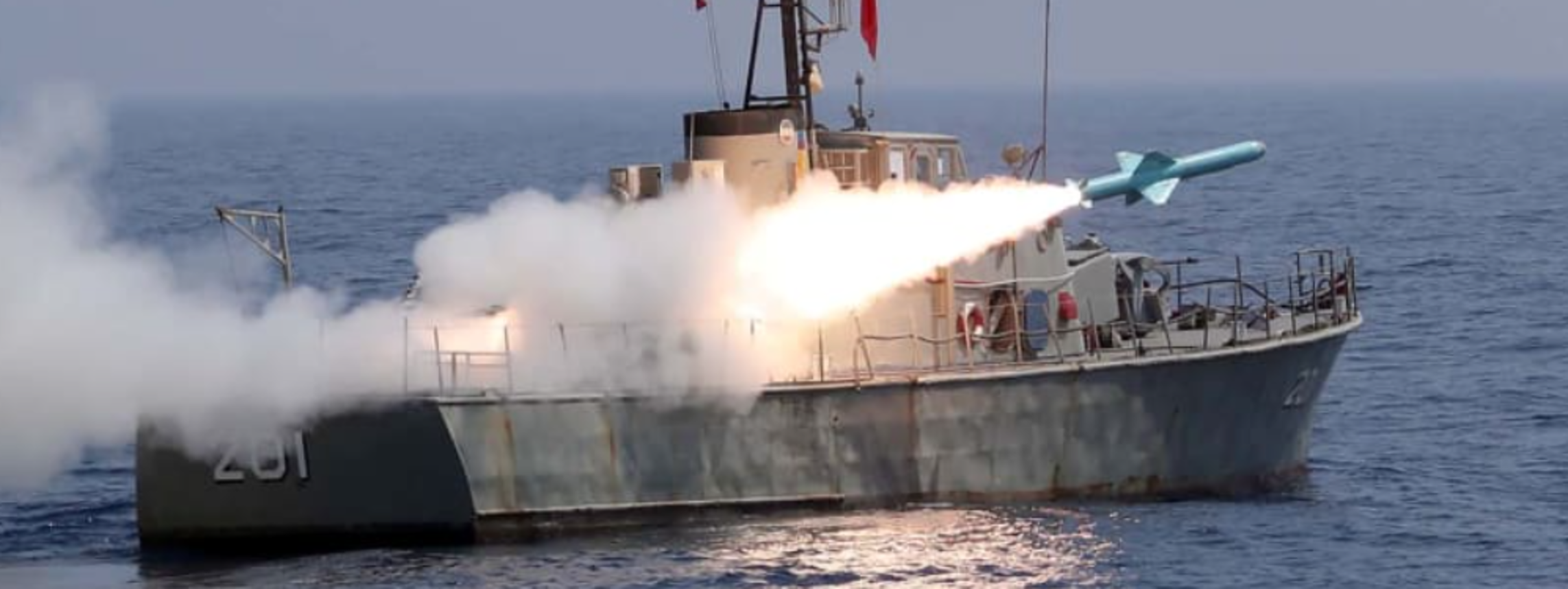
Iran does produce several long-range cruise missiles of relevance to any possible carrier threat to the US Navy in the Middle East. While they are primarily a threat for the Persian Gulf and Strait of Hormuz closer to Iranian coastline, it is realistic they could also threaten Israel and portions of the Eastern Mediterranean from Iran or its “proxy” attack locations throughout the region. The Chinese DF-26 reportedly hits ranges out to 2,000 miles and attacks with some precision, so how comparable are fast-evolving Iranian equivalents?