
Centaur: The New Combat-Proven C-UAS System By Hellenic Aerospace Industry
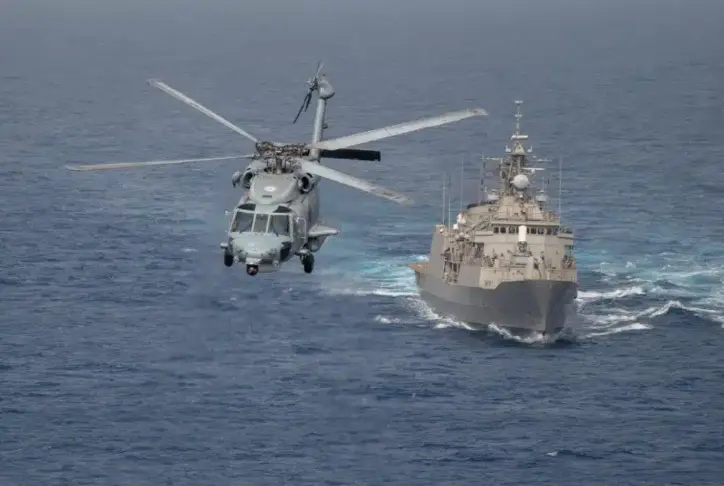
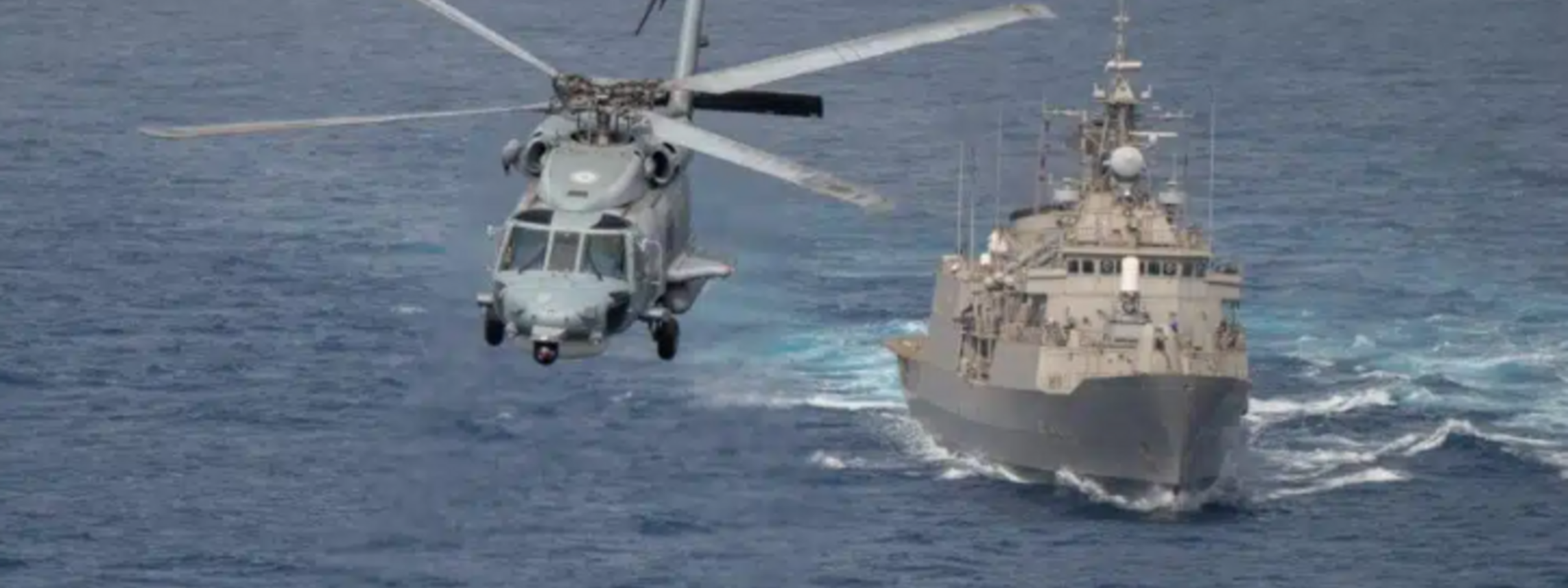
Videos and reports about a Greek warship that has effectively protected commercial ships in the Red Sea area, as part of the EUNAVFOR ASPIDES, are flooding the press and social media this month. This warship is none other than the Hellenic Navy Hydra-class (MEKO 200HN) frigate Psara, which, despite its age and condition (having undergone only minimal upgrades or changes), seems to meet threats without even using a single one of its valuable and expensive RIM-162 ESSM Block 1 surface-to-air missiles (SAM) (Hydra-class frigates carry 16 x ESSM in their Mk48 Mod 5 VLS), relying only on its Mk45 Mod2A 127mm gun and a Counter Unmanned Aerial Systems (C-UAS) system installed shortly before departure.
The recently revealed system is called Centaur, a product of Greek design and development, specifically by Greece’s largest state defense industry, the Hellenic Aerospace Industry (HAI), which developed it with its own resources. Notably, since the 1990s, HAI has developed significant capabilities in designing electronic warfare systems, first testing such systems with great success on A-7 Corsair II fighter aircraft. Naval News spoke with HAI executives and learned about the history of this system, its successes, and its overall characteristics.
The Centaur system was initially designed a few years ago to equip vehicles, meaning it was not intended for naval use. Its installation as naval equipment became possible due to the urgent need for a more capable C-UAS than the one installed on the Hydra frigate and due to the persistence of HAI leadership in demonstrating the operational capabilities of the system, which had proven its effectiveness in a series of exercises with very challenging scenarios.
It’s important to clarify that installing the system on the Psara frigate was not an easy task. A system on a naval platform has specific requirements: it must withstand vibrations, saltwater, not interfere with the multitude of sensors around it, and be able to take aim, among other things. HAI technicians achieved this and more, making many structural changes to the system’s design despite time constraints and its early configuration.