
How autonomous warfare is changing the game
Modern warfare will be increasingly AI-driven. Here’s how Australia is planning to lead the charge.
With geopolitical tensions flaring, Australia’s national security is becoming increasingly uncertain.
The power dispute between China and the US has manifested in territorial disputes over the South China Sea, an important strategic and economic maritime route for Australia – which has a big waterfront and landmass, without a sizeable population to defend it.
Thinking outside the box to develop innovative defence solutions capable of overcoming these vulnerabilities is therefore key.
Uncrewed systems to assist with surveillance and force multiplication are the latest frontier, with Australia developing this technology quicker than other nations, according to Shane Arnott, Senior Vice President Engineering at American defence technology company Anduril Industries.
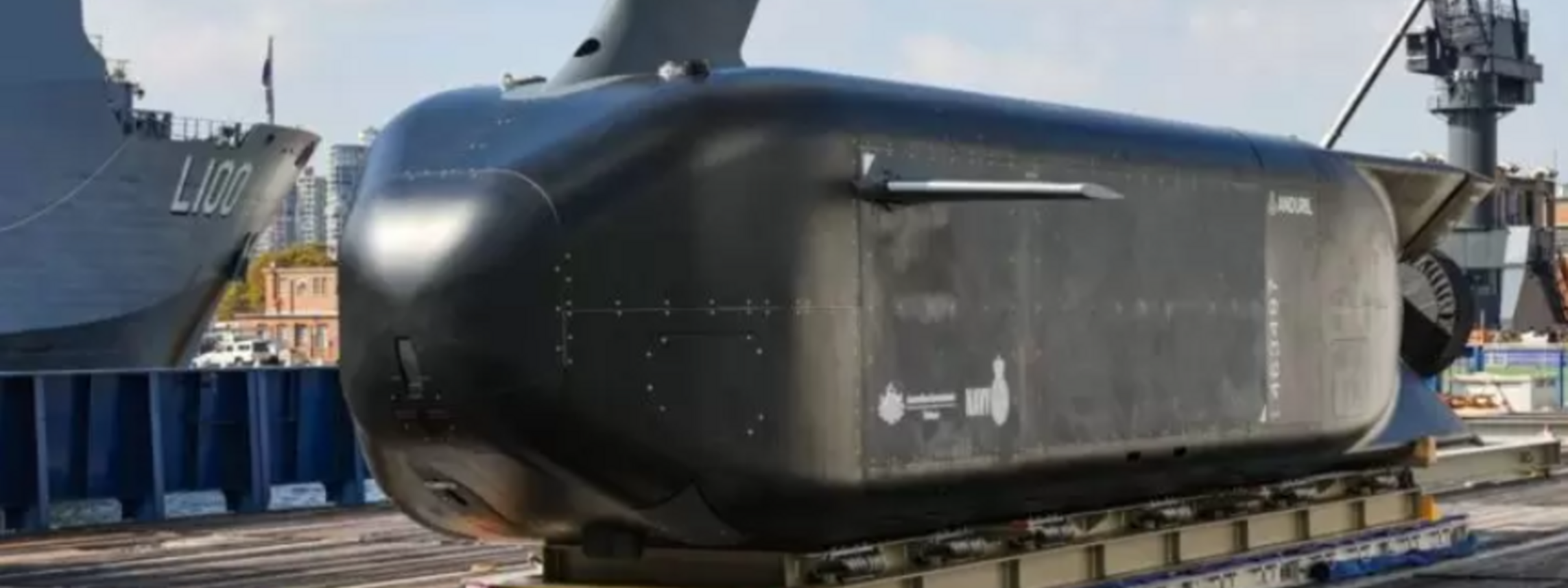
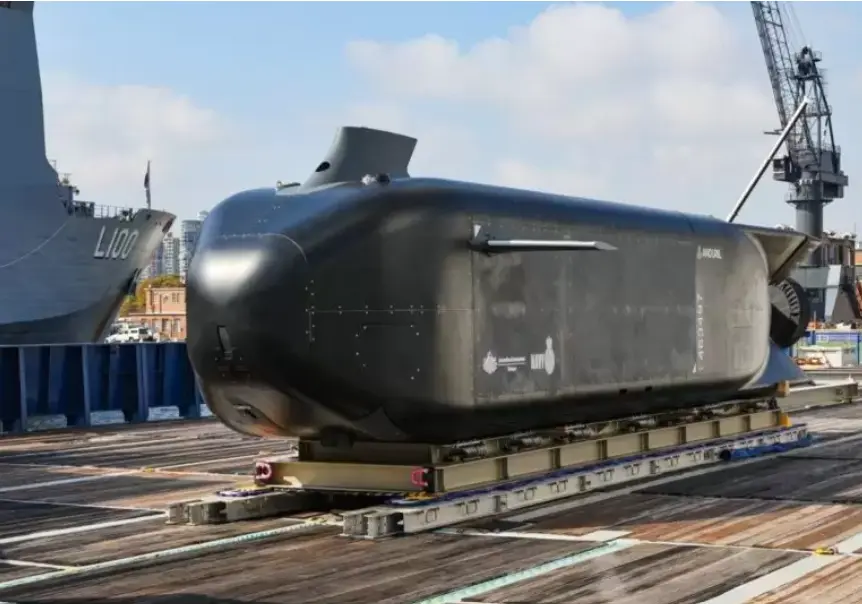
Arnott drove the development of both Boeing’s MQ-28 Ghost Bat for the Royal Australian Air Force and Anduril’s Ghost Shark autonomous undersea vehicle program (XL-AUV) for the Royal Australian Navy (RAN), which are designed to strengthen Australia’s maritime and airspace presence.
Speaking with create, Arnott explained the training and regulatory requirements of getting autonomous systems off the ground, and how they will function alongside humans in battle.