
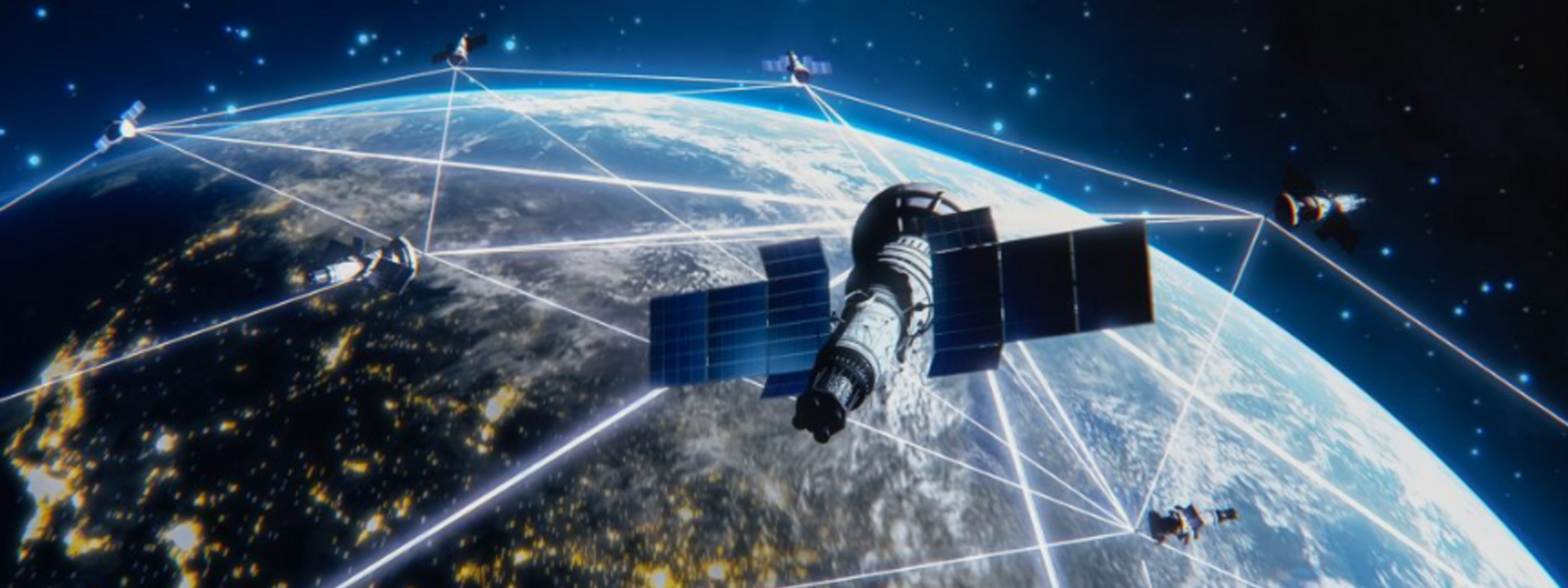
Converging needs: Satellite technology for disaster response and defence applications
Developments in satellite technology enabling real-time intelligence and advanced data analysis will allow for enhanced disaster response and defence operations.
In the era of the new space economy, space exploration and applications are becoming more commercially driven. This means technologies with civilian uses can be funded and developed, with potential military applications down the line.
This expands the market for space products and services targeted at addressing civilian as well as defence concerns.
Satellite Earth observation (EO), space-based satellite communication (SatCom), and onboard artificial intelligence (AI) processing are revolutionising disaster response and national defence.
While the goals differ – saving lives and protecting citizens in the civilian sector versus safeguarding national security in the defence sector – the underlying technological needs for both sectors exhibit significant overlap, offering opportunities for synergy and cost-effective solutions.
This report delves deeper into this convergence, focusing on flood disaster response as a compelling case study for its dual-use applicability.
Common technological needs: A more detailed examination
Real-time data acquisition and analysis: A time-sensitive imperative
Disaster Response: During a flood event, every second counts. EO satellites equipped with various sensors, including radar, LiDAR, and optical imagers, can provide high-resolution imagery and data on flood extent, water depth, and potential infrastructure damage. However, the sheer volume of data can be overwhelming. AI-powered processing can pre-process data for faster transmission and analysis, allowing for near real-time insights. This translates into swifter emergency response, targeted resource allocation, and potentially saved lives.