

How Europe’s next-generation combat jet aims to catch the AI wave
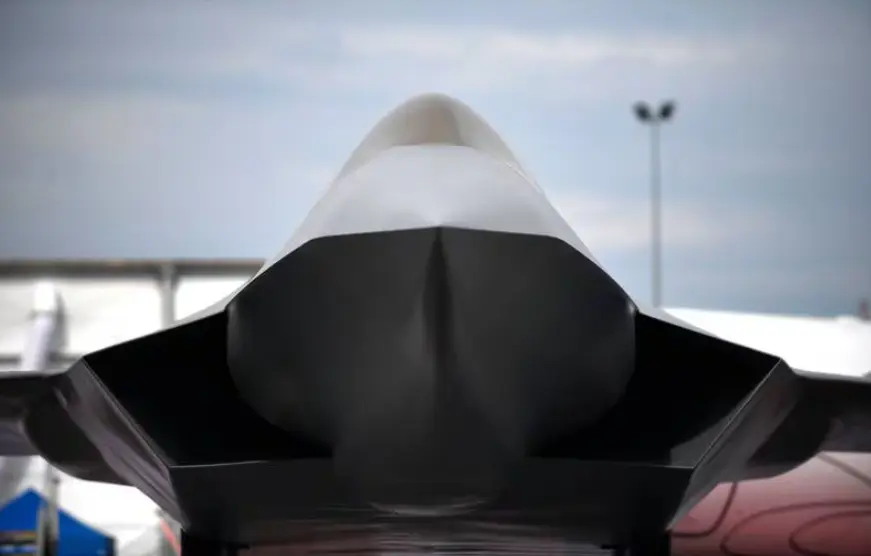
BERLIN — Mainland Europe’s Future Combat Air System, an ambitious effort to field a suite of warplanes and drones in the 2040s, could become the first large-scale defense program with artificial intelligence fully baked in.
A consortium of Germany, France and Spain – with Belgium joining as an observer last year – promises to have the first airworthy demonstrators of the futuristic idea flying by this decade’s end. Artificial intelligence will play a key role in practically all aspects of the system, engineers and experts told Defense News in a series of interviews, influencing everything from the platform’s development to kill-chain decisions and even the very things that pilots see.
The key novelty of FCAS, compared to existing platforms, is its use of so-called loyal wingmen. These drones are to travel alongside the main, manned aircraft and act to enhance the mission – collecting more data, allowing for more firepower or simply overwhelming enemy defenses by sheer numbers.
“Because you don’t want to have to control these out of a cockpit with a stick and throttle,” these drones will require a certain level of automation or autonomy, said Thomas Grohs, Airbus’ head of future capabilities and chief engineer of the FCAS project.