
How AI is rewriting Silicon Valley’s relationship with the Pentagon
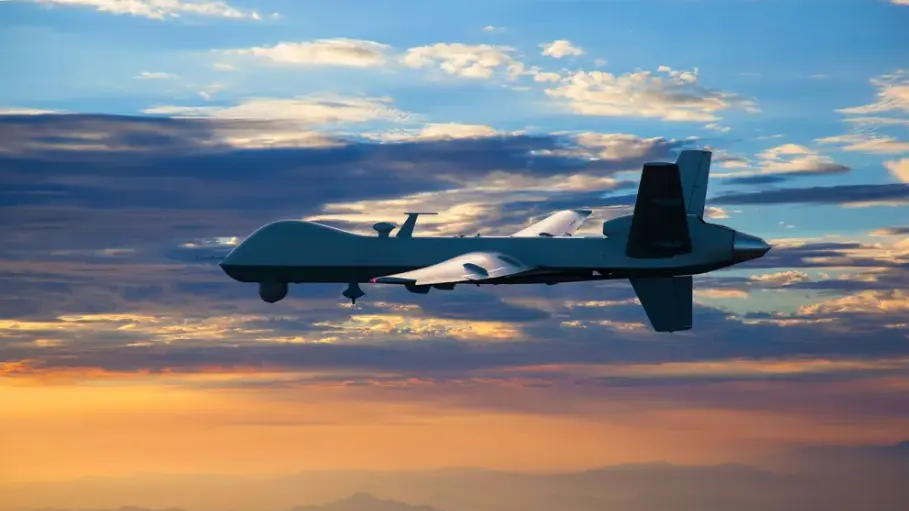
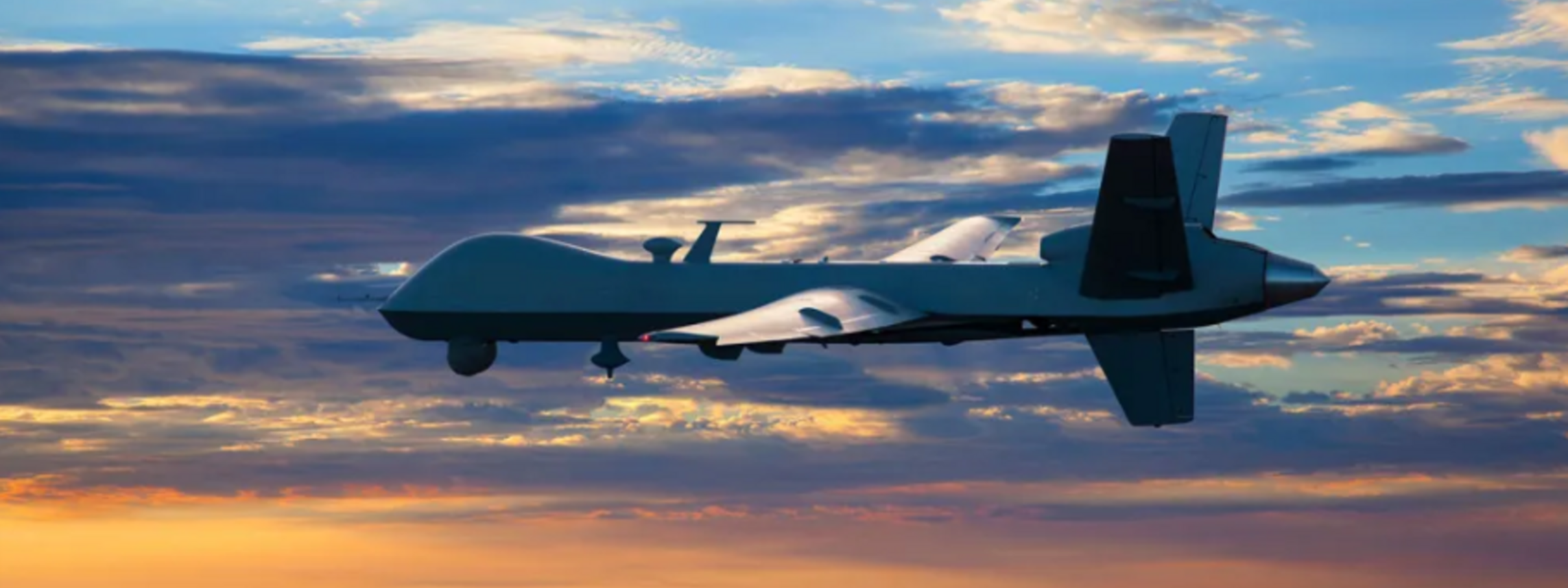
It’s 2035. After decades of investment, the US military now has AI systems integrated throughout its operations. Autonomous drones, tanks, and fighter jets enhance US defenses, while leading (hopefully) to fewer civilian casualties and collateral damage. That’s one future, anyway.
AI warfare
In December 1941, Japan’s military attacked Pearl Harbor, bringing the US into World War II. Less than four years later, America ended the war by dropping two atomic bombs on Japan — a destructive demonstration of its technological supremacy over every other military in the world, at the time.
America has maintained its military supremacy ever since, through a combination of air power, economic might, and advanced weaponry, but the nature of war is rapidly changing, and it seems possible that the dominant military of the future won’t be the one with the most powerful weapons — it’ll be the one with the best AI.
To find out if the US can win this race, too, let’s look back at its AI history and the current trends that will decide whether it falls behind another world power.