
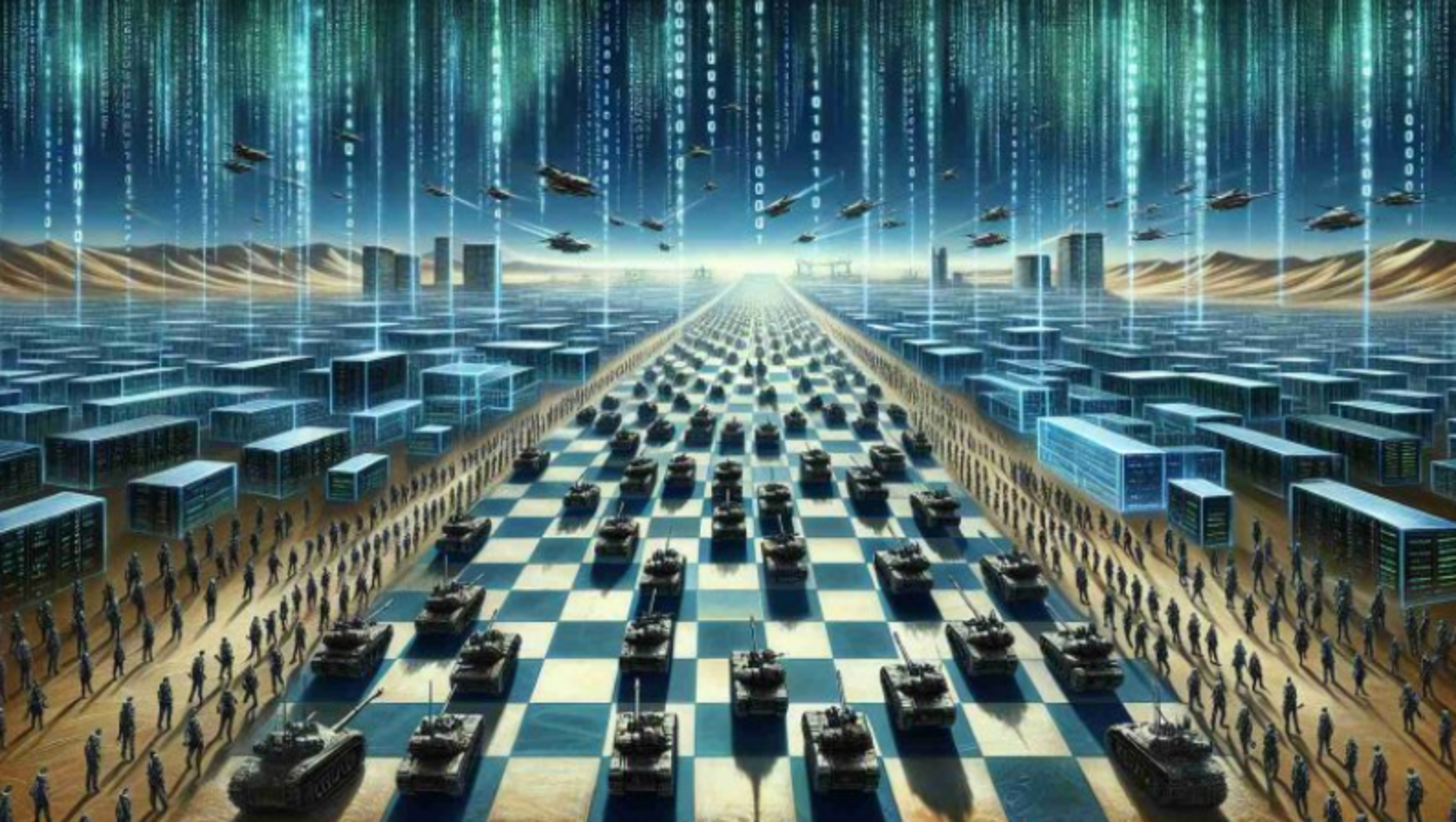
The Shifting Battlefield: Sovereignty and Warfare in the Digital Age
Technology’s Impact on Modern Warfare
With the continuous march of technological advancement, the traditional concepts of sovereignty and warfare are in flux. NATO’s military chief, Admiral Rob Bauer, has observed that throughout human history, technology has invariably served to enhance our capacity to inflict destruction, offering greater speed and precision in offensive capabilities.
The Evolving Definition of Sovereignty
Today, the idea of sovereignty extends beyond tangible landscapes into the virtual realm. According to Lt. General Ahsan Gulrez of the Pakistan Armed Forces, the surge of highly sophisticated cyber-attacks combined with technology that can manipulate the flow of information accessible to the public is pushing the boundaries of traditional warfare. This blending of kinetic and non-kinetic threats makes it challenging to maintain conventional concepts of territorial integrity and sovereignty.
The Challenge of Identifying Aggression
In modern warfare, nothing can be concealed on the battlefield. However, the development of military technology and the relationships between state and non-state actors have become increasingly complex and opaque, further complicating the task of pinpointing the perpetrators behind attacks. Moreover, discerning the difference between peacetime and a state of war is becoming more difficult, raising the question of how to interpret cyberattacks against military or civilian infrastructure – could these acts be considered declarations of war?