
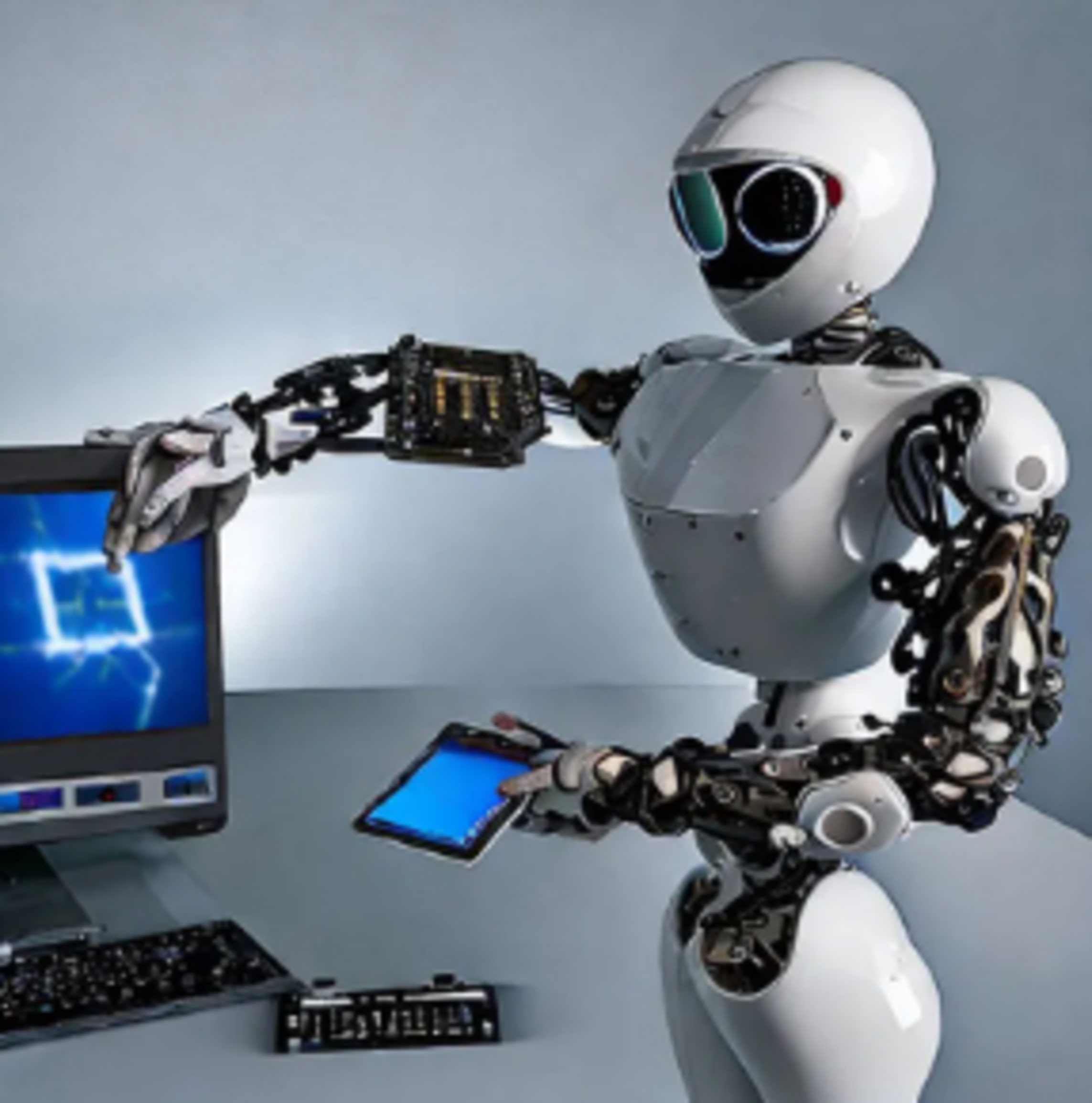
The Evolution and Importance of Artificial Intelligence
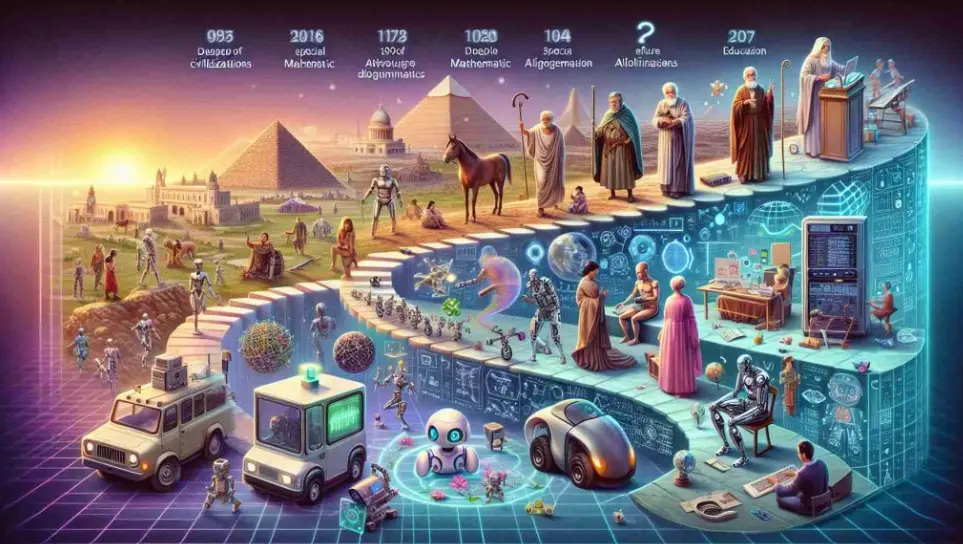
Intelligence is the ability of living beings to make decisions, comprehend events, solve problems, and safeguard their interests. While humans are the apex of natural intelligence due to their advanced and larger brains, the concept of artificial intelligence (AI) stands as its counterpart.
The Roots of Artificial Intelligence: In the early days, tools like the abacus were invented, serving as primitive forms of AI. Students would use this device, equipped with beads on rods, to perform basic arithmetic operations. Moving forward, the engineering students of the 1950s were introduced to slide rules, which provided exact results for whole numbers, but proved error-prone with decimals.
As time advanced, the mechanical calculators like the Facit machine came into use, enabling people to do mathematical operations more efficiently. The advent of electronics further refined these devices into electronic calculators capable of error-free computations even with decimal numbers.
The Digital Age: The next significant leap arrived with the onset of computers in the seventies and eighties. Transformed into versatile tools, computers began to allow users to write documents, communicate through emails, perform complex calculations, and access the internet, symbolizing a collaboration of electrical engineering technology and human effort.