
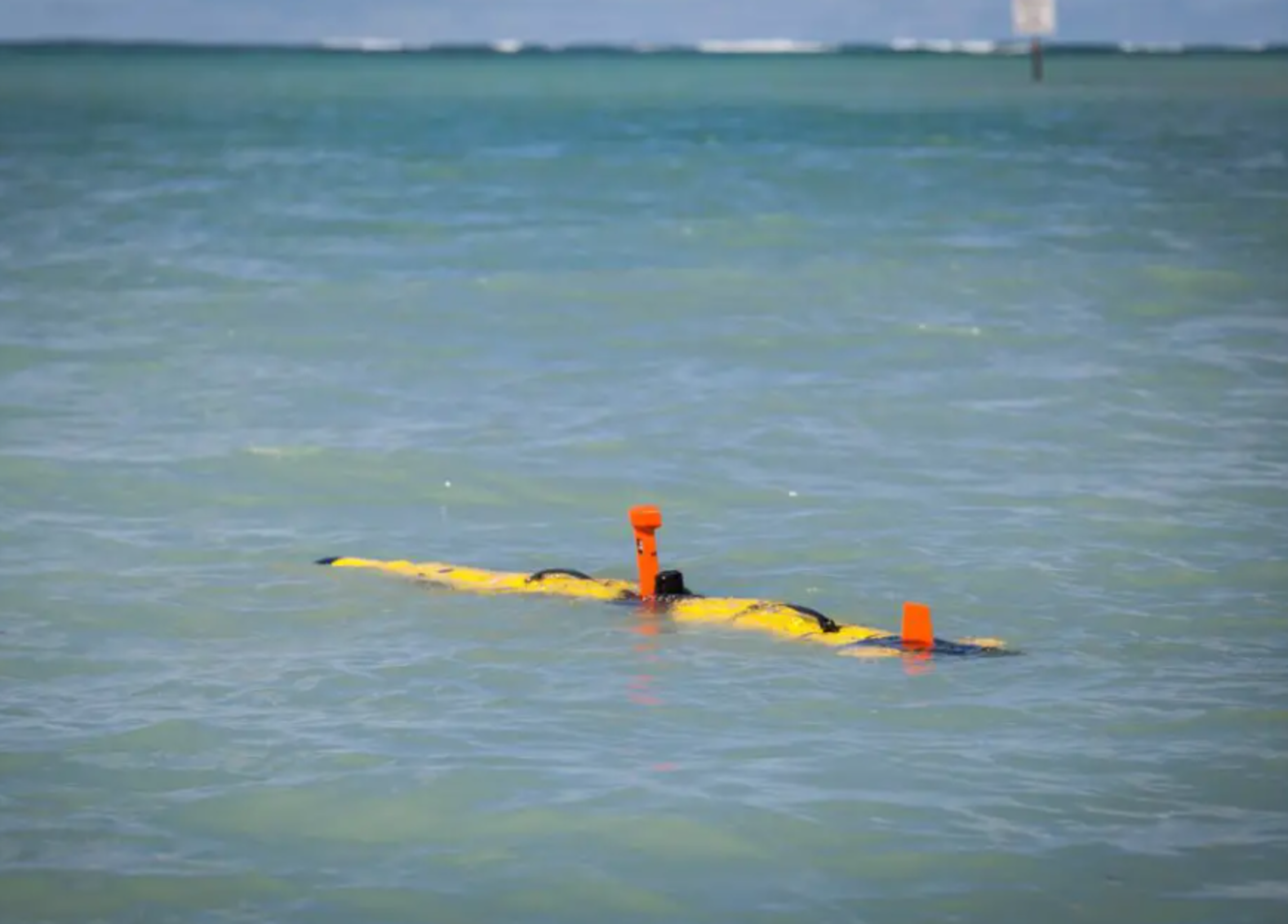
US Navy Develops Underwater Drone Algorithms for Seabed Missions
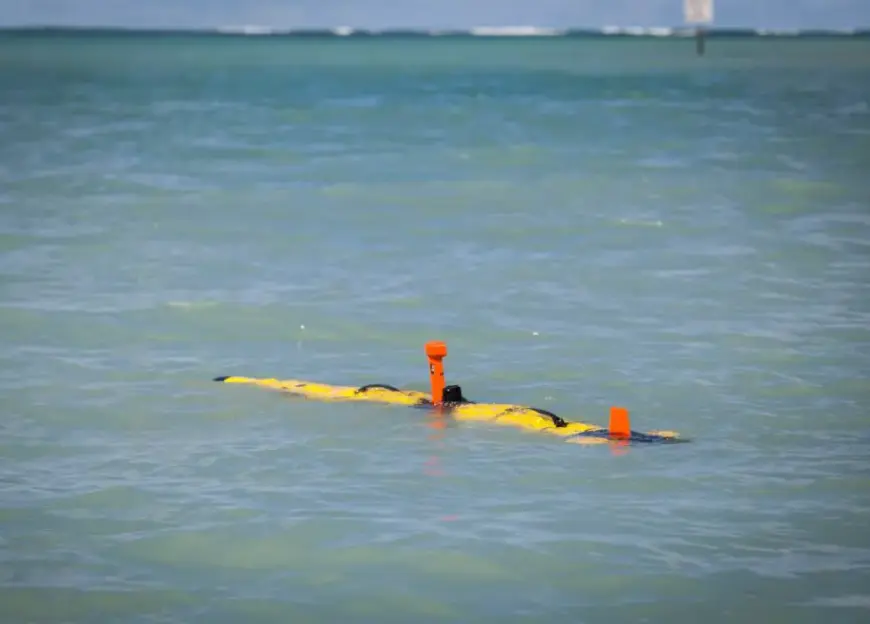
The US Navy is developing and testing algorithms to sustain unmanned underwater vehicle (UUV) operability in bathymetry operations.
Bathymetry is a method of mapping sea floors and identifying materials underwater. Introduced in the 1800s, the technique was modernized during the Second World War to amplify intercept missions against submerged threats.
According to the navy, the latest project aims to bolster the UUV’s autonomous cooperation and relative location estimations of sub-surface drone fleets over longer periods of bathymetry operations.
The effort is being led by the agency’s Florida-based Naval Surface Warfare Center Panama City Division (NSWC PCD) in collaboration with experts from Utah’s Brigham Young University (BYU).
Among the testbeds for the initiative includes BYU’s Iver 3, an autonomous underwater vehicle operated by the university’s Field Robotic Systems (FRoSt) Laboratory and developed by defense industry partner L3Harris.