
British Navy ships to carry drone-zapping lasers by 2027
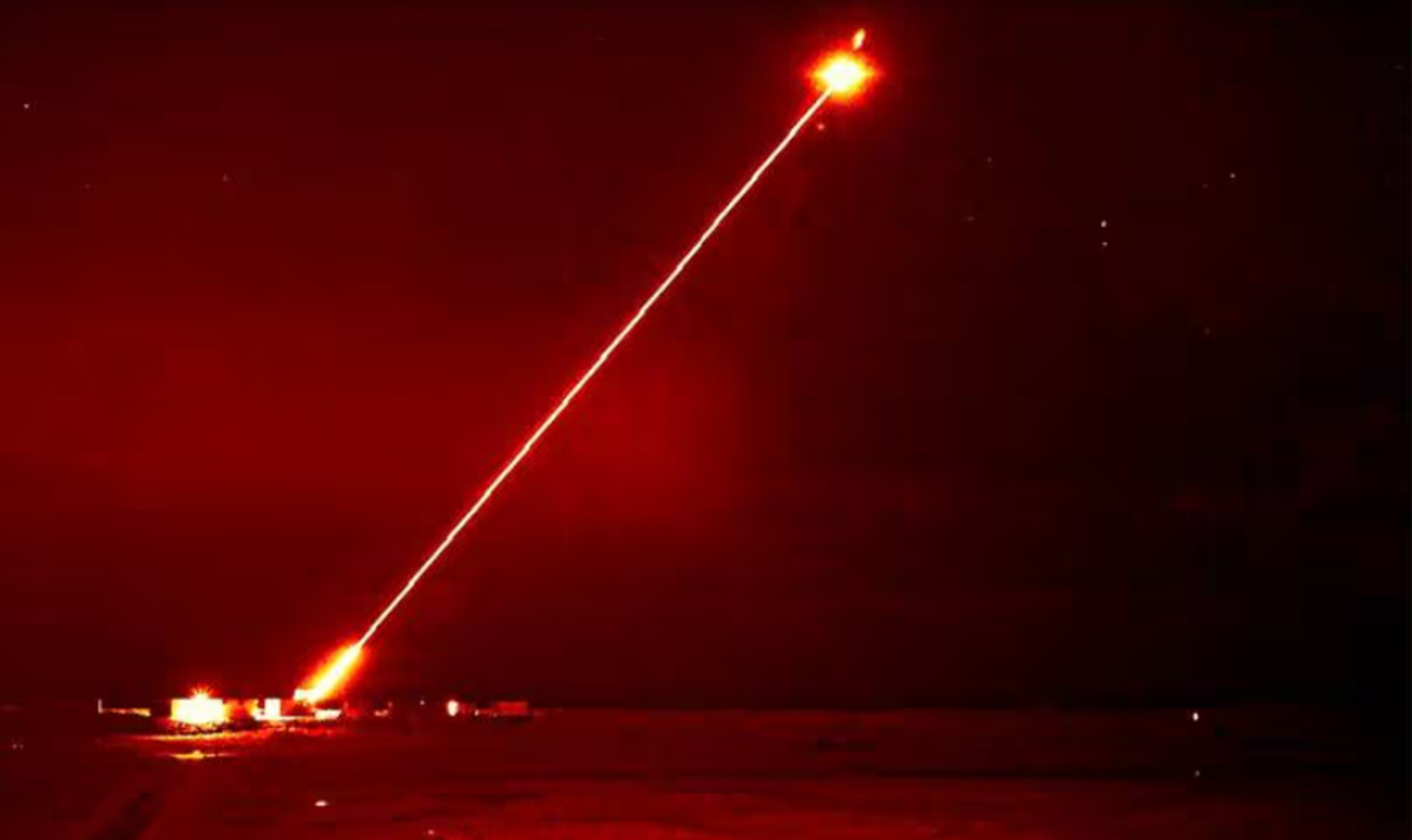
COLOGNE, Germany — British naval vessels are set to receive new laser weapons within a few years’ time that will make shooting down a missile or a drone as affordable as a pint of ale in central London.
The technology goes by the name of DragonFire, developed by MBDA in conjunction with Leonardo UK and QinetiQ. Conceived over three years, defense leaders in London are celebrating it as a poster child of recent defense-acquisition reforms aimed at fielding technology breakthroughs to U.K. forces more quickly.
Using directed energy to down aerial threats promises to revolutionize the business of air defense because it would obviate the need for missile interceptors that can cost millions of dollars. One DragonFire shot is expected to cost £10 (U.S. $12), according to a British Ministry of Defence statement posted on X, formerly Twitter.
Militaries around the world have been experimenting with the technology. Ship-borne deployment is perhaps the lowest-hanging fruit because naval vessels can accommodate the bulky equipment. Still, the routine employment of laser weaponry in combat has so far remained largely an ambition.
Using directed energy to down aerial threats promises to revolutionize the business of air defense because it would obviate the need for missile interceptors that can cost millions of dollars. One DragonFire shot is expected to cost £10 (U.S. $12), according to a British Ministry of Defence statement posted on X, formerly Twitter.
Militaries around the world have been experimenting with the technology. Ship-borne deployment is perhaps the lowest-hanging fruit because naval vessels can accommodate the bulky equipment. Still, the routine employment of laser weaponry in combat has so far remained largely an ambition.
Defense Secretary Grant Shapps said April 12 the DragonFire weapon will be ready for installation on Royal Navy ships in 2027, capping a £100 million joint investment by industry and the U.K. Ministry of Defence.