
UNCREWED SYSTEMS AND THE TRANSFORMATION OF U.S. WARFIGHTING CAPACITY
The U.S. military forces that entered Europe and fought their way to Berlin by 1945 bore only a passing resemblance to the U.S. military that had existed just five years before. New technologies on the ground, in the air, at sea, and in the electromagnetic spectrum drove systemic adaptation and resulted in massive joint amphibious operations, large-scale strategic bombing, initial trials of remote-controlled aerial attack weapons, as well as combined arms and air-land collaboration on the ground. A variety of new technologies, the mobilization of industryto produce them en masse, and their combination with new ideas and older military institutions, provided the foundation for the defeat of the Nazis in Western Europe.
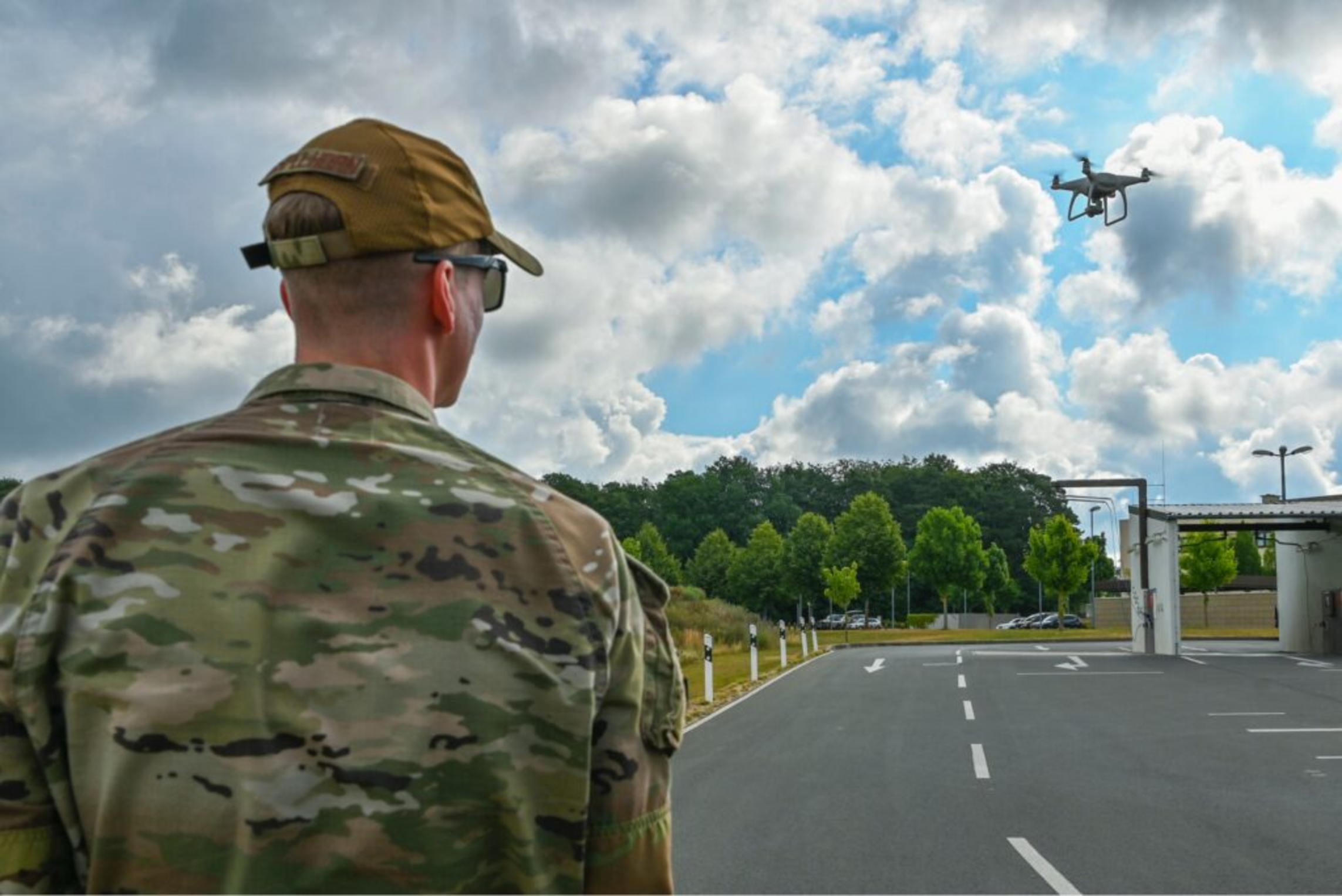
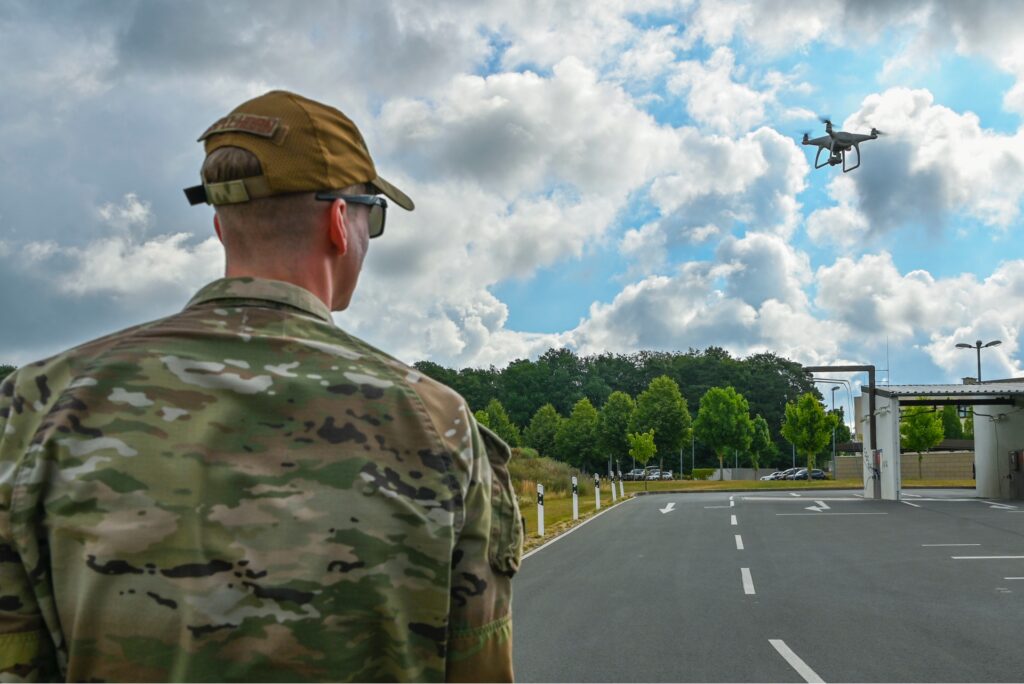
New technologies often require updating old ideas, old strategies, and old ways of preparing humans for war. The influx of new technologies into military institutions is continuous, albeit with increased frequency since the first Industrial Revolution. Every now and then, however, a new technology forces a disruptive shift in how wars are started, fought, and ended. Uncrewed systems — which are now undergoing a form of Cambrian explosion in capability, quality, and quantity — appear to be such a technology.
Read Full Article