
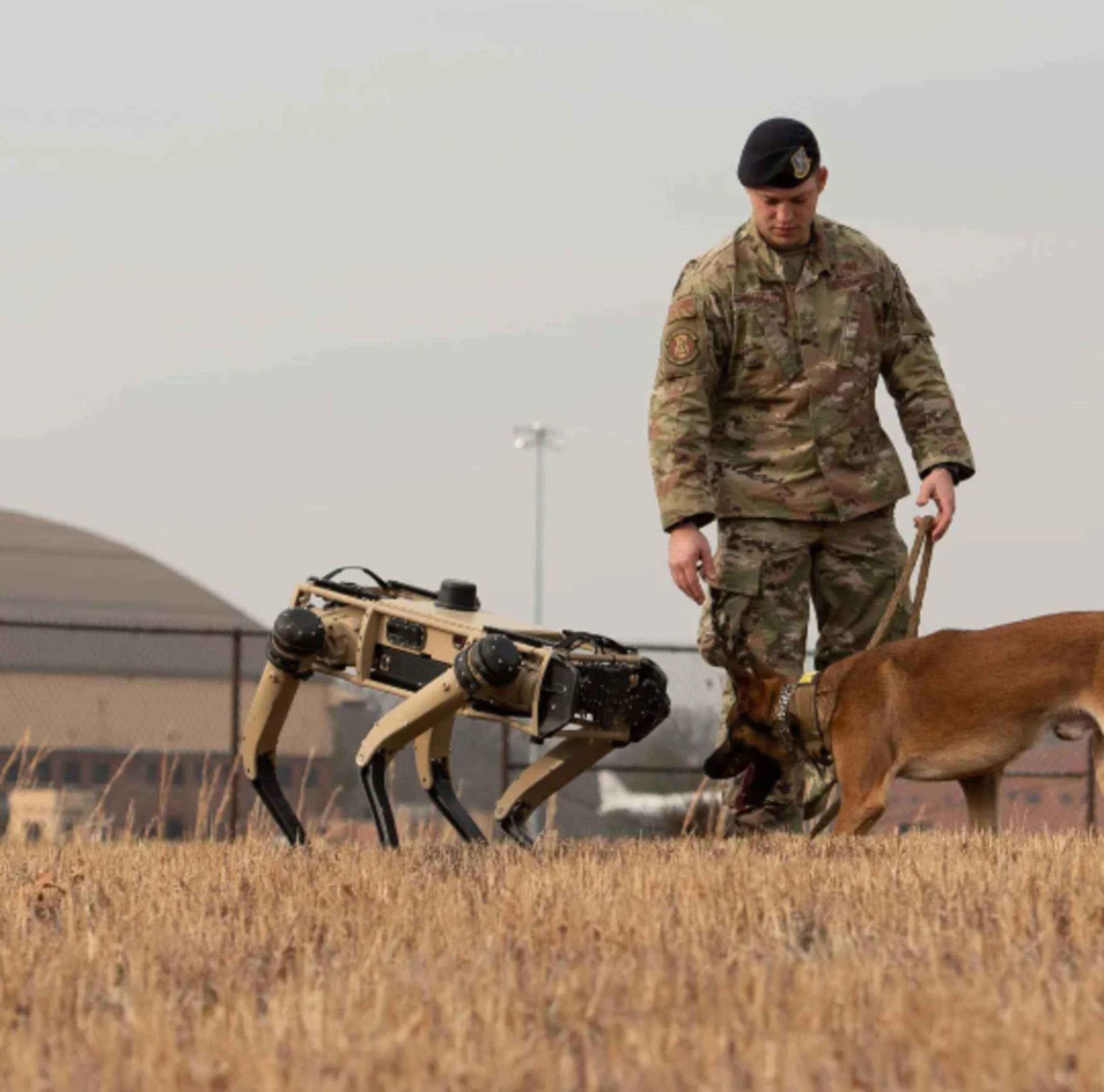
Trust but verify: U.S. troops, artificial intelligence, and an uneasy partnership
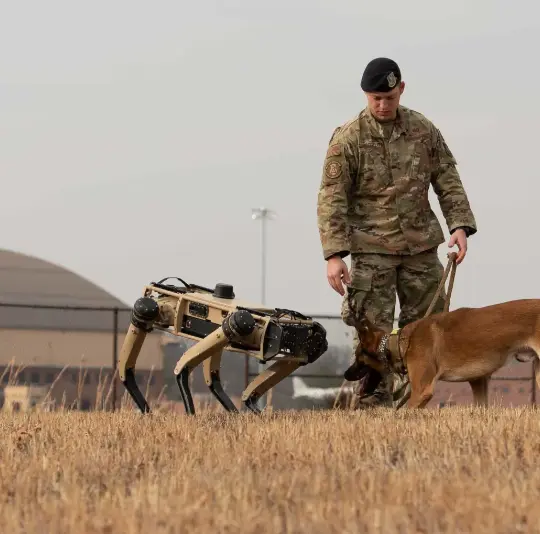
- Advancements in AI have exacerbated a debate between proponents and opponents of lethal autonomous weapons systems.
- Overall, military service members question the merits of human-machine teaming in the context of a hypothetical war between the U.S. and a near-peer adversary.
- Service members’ trust in partnering with AI systems is based on the technical specifications of machines, their perceived effectiveness, and regulatory oversight.
Advancements in artificial intelligence (AI) have intensified the debate surrounding the development of lethal autonomous weapons systems. These killer robots can identify, track, and prosecute targets on their own, without human oversight, and have been used during conflicts in Gaza, Libya, Nagorno-Karabakh, and Ukraine. Critics caution against heightened autonomy in war, citing the potential for abuse that can lead to unintended consequences, including crisis escalation and civilian casualties. Advocates claim the opposite, emphasizing robotic agency in future conflict. They contend that AI-enhanced weapons will encourage human-machine teaming that helps countries maintain lethal overmatch of adversaries while doing so more justly than conventional weapons controlled by humans, particularly because AI is thought to minimize the potential for collateral damage.
Read Full Article