
Artificial Intelligence and Nuclear Stability
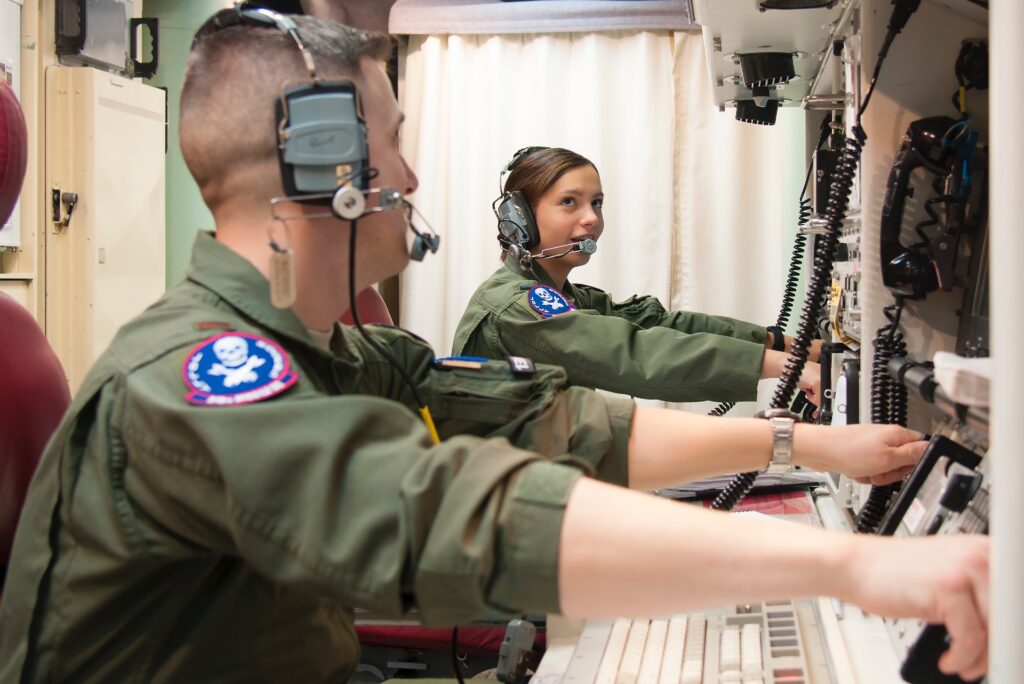
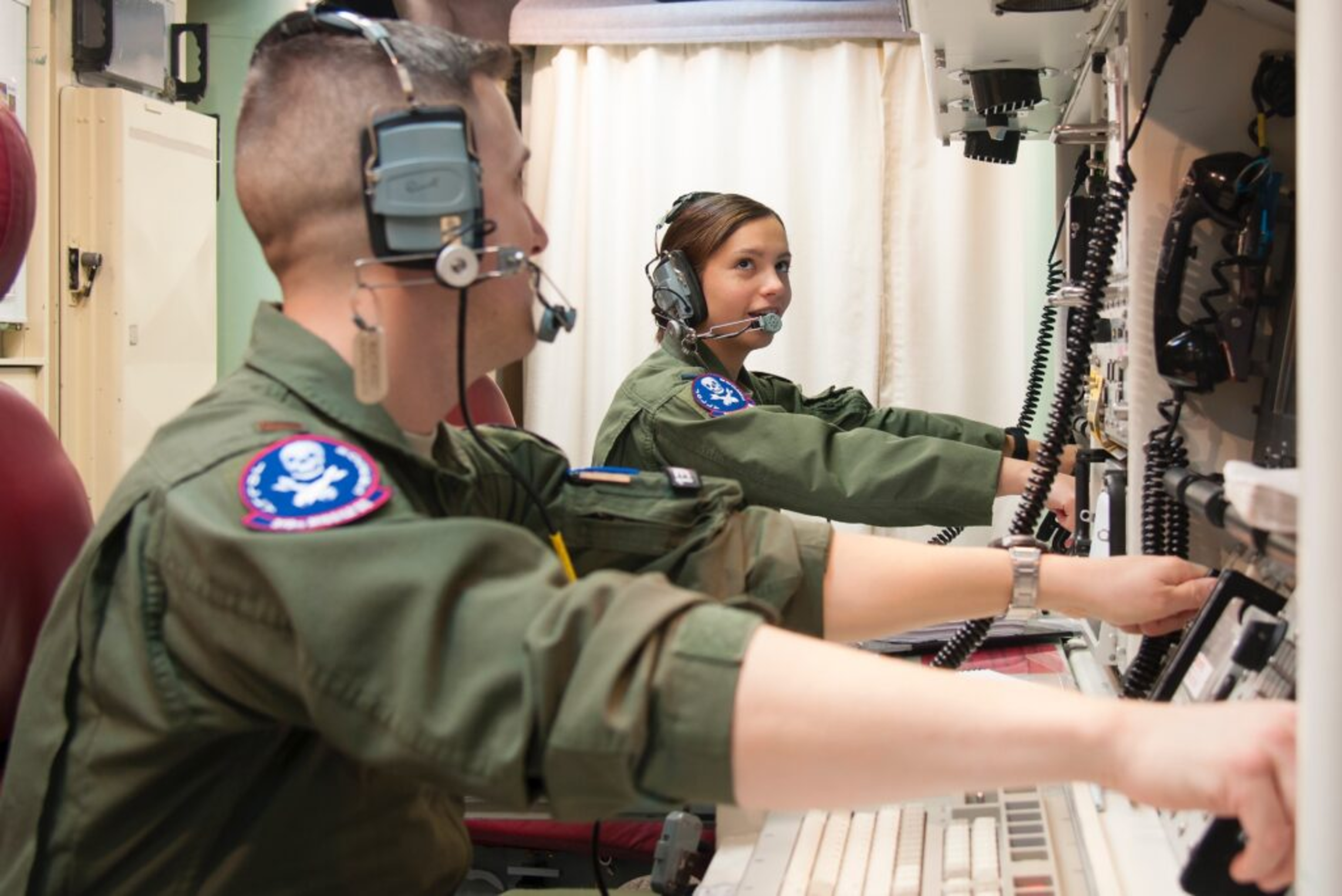
Policymakers around the world are grappling with the new opportunities and dangers that artificial intelligence presents. Of all the effects that AI can have on the world, among the most consequential would be integrating it into the command and control for nuclear weapons. Improperly used, AI in nuclear operations could have world-ending effects. If properly implemented, it could reduce nuclear risk by improving early warning and detection and enhancing the resilience of second-strike capabilities, both of which would strengthen deterrence. To take full advantage of these benefits, systems must take into account the strengths and limitations of humans and machines. Successful human-machine joint cognitive systems will harness the precision and speed of automation with the flexibility of human judgment and do so in a way that avoids automation bias and surrendering human judgment to machines. Because of the early state of AI implementation, the United States has the potential to make the world safer by more clearly outlining its policies, pushing for broad international agreement, and acting as a normative trendsetter.
Read Full Article