
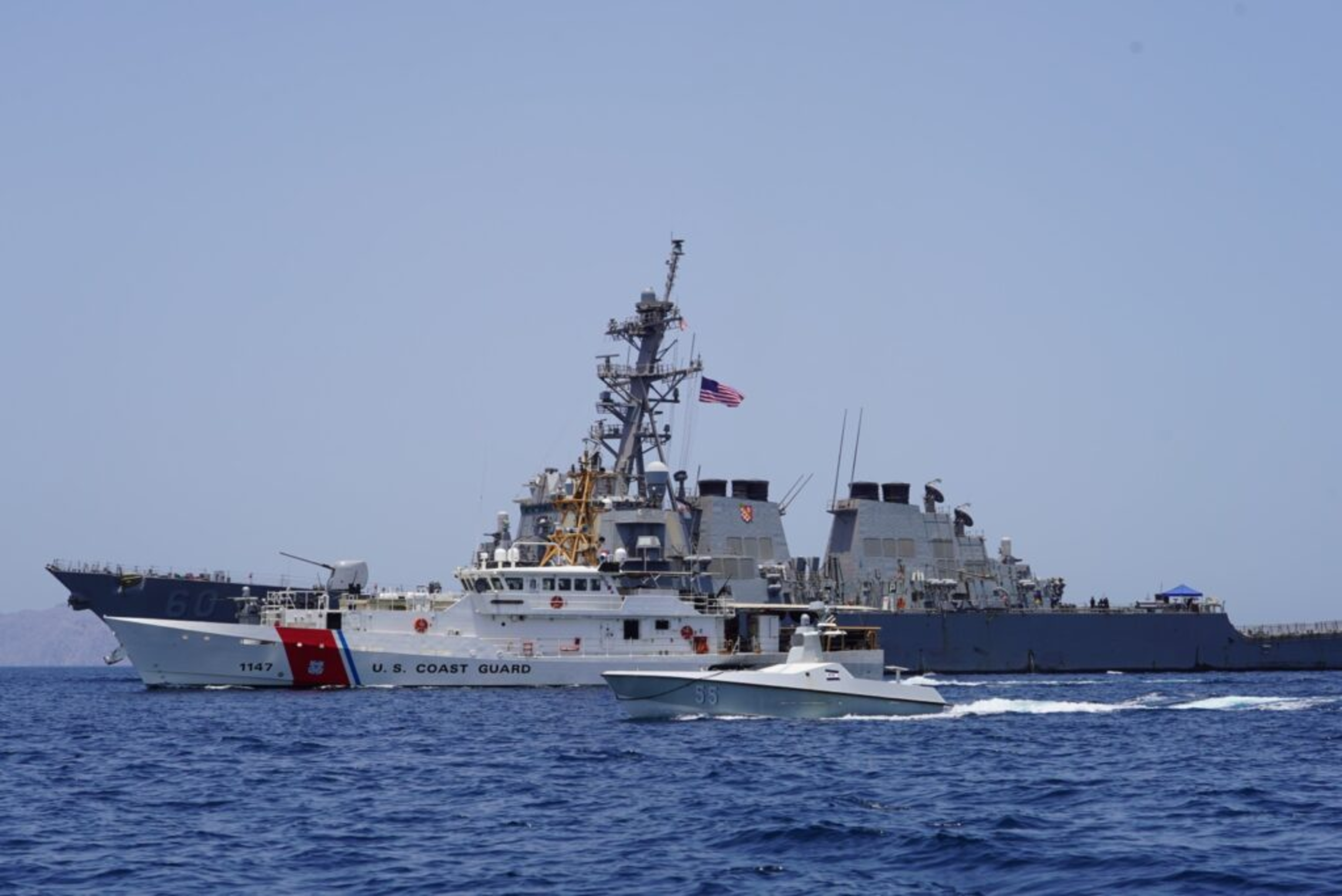
Written in black and red: Asymmetric threats and affordable unmanned surface vessels
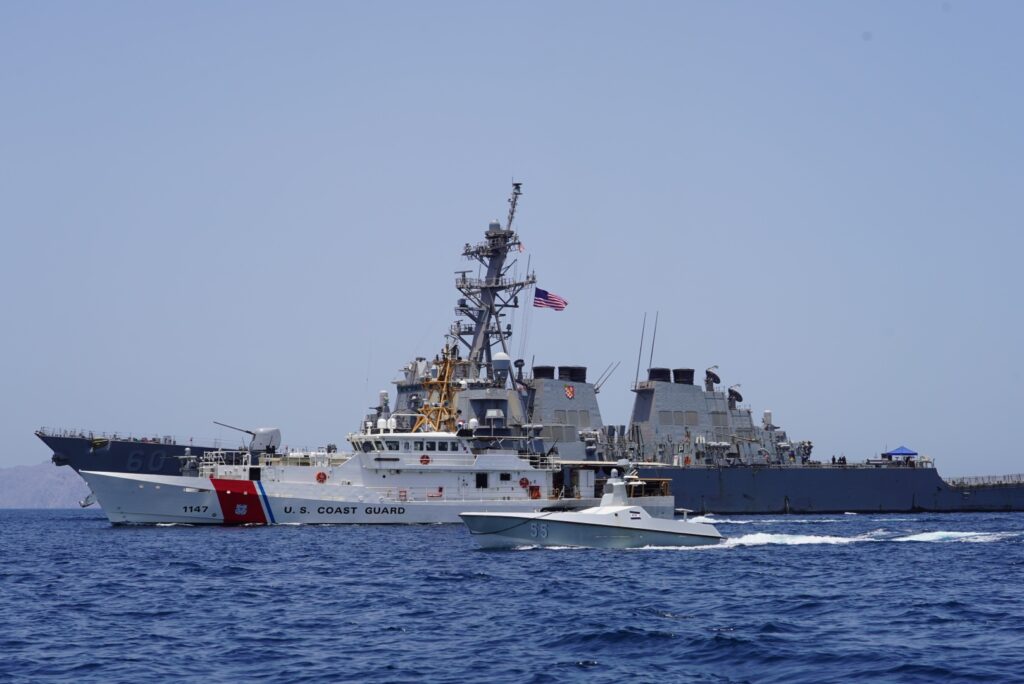
The Houthi rebels and the Ukrainian military share a significant amount in common despite very different perceptions of their legitimacy. The Houthis have held civilian and military ships at risk in the Red Sea, causing the rerouting of commercial shipping and prompting the U.S. State Department to consider them a terrorist organization. Ukraine, by contrast, is viewed as a heroic front-line state standing against an unprovoked Russian invasion. With Western aid and rapid innovation, the Ukrainian military, although by mostly cobbled-together, ad hoc means, has rapidly employed commercially available drones, organically developed, and fielded unmanned systems for aerial, naval, and ground attack. Despite having no naval warships of its own, Ukraine has managed to hold the vaunted Russian Black Sea Fleet at risk both underway and in port. In short, both forces have effectively utilized commercially available or inexpensively developed unmanned systems and anti-ship cruise missiles to great effect, stressing and challenging technologically and numerically superior adversarial forces in the Black and Red Seas.