
China's Military-Civil Fusion Strategy: A Blueprint for Technological Superiority
- Although China’s military-civil fusion (MCF) strategy is yet to yield new weapons, the United States must take steps today to mitigate future leverage for the People’s Liberation Army (PLA).
- The United States should endeavor to boost its AI, nuclear, and genetic sectors to offset China’s advantage in integrating them into its military capabilities.
- When responding to China’s MCF, the United States should avoid broad restrictions that could harm American businesses and lead to Chinese industrial independence.
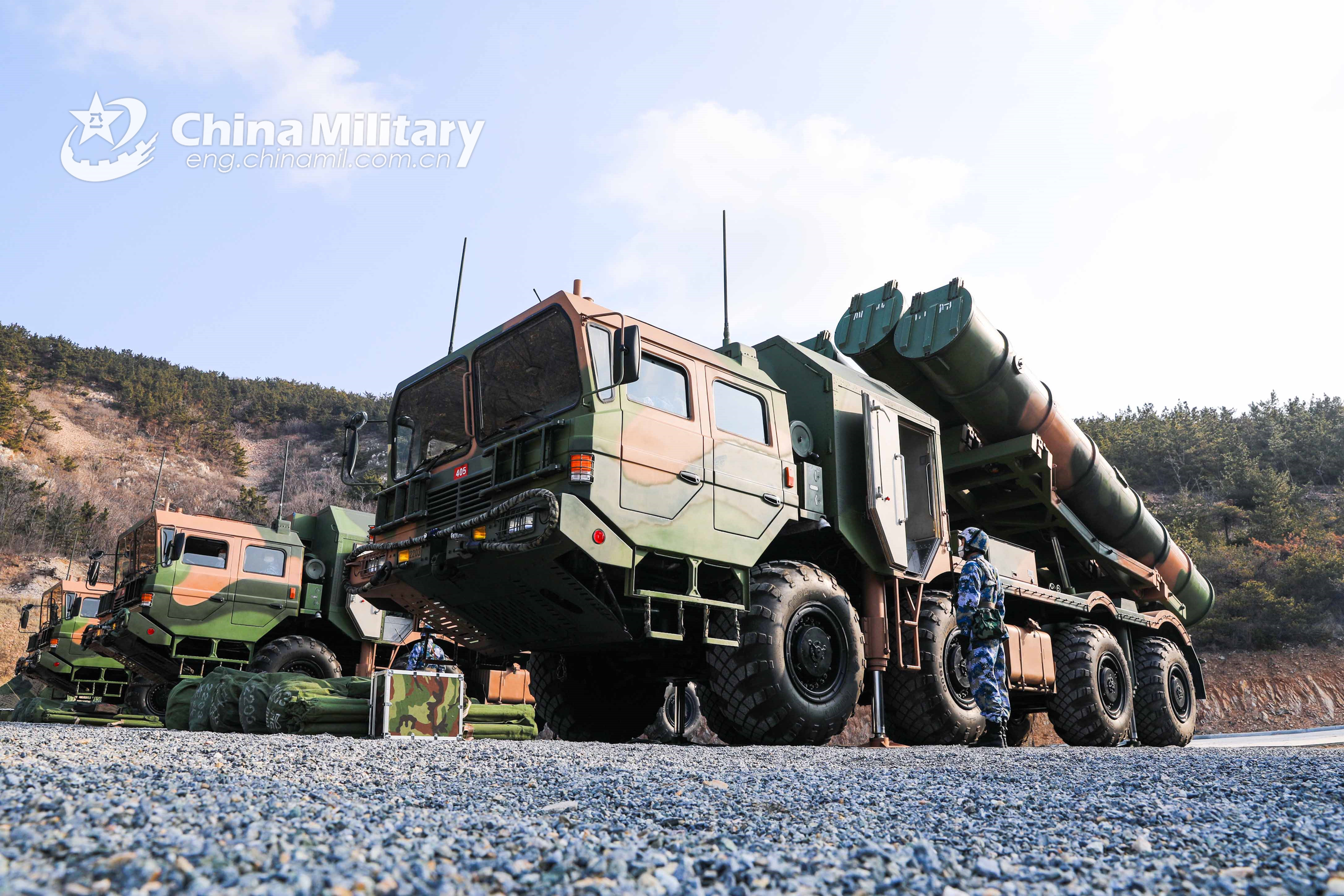
In an effort to transform the People’s Liberation Army (PLA) into the most technologically advanced military in the world, the Chinese Communist Party (CCP) is systematically reorganizing its science and technology sectors to ensure that new innovations simultaneously advance the growth of its military capabilities. This “Military-Civil Fusion” (MCF, 军民融合) strategy targets technologies such as quantum computing, semiconductors, 5G, nuclear technology, aerospace technology, gene editing and artificial intelligence to achieve military dominance. While other nations have tried this strategy before, China’s MCF is expansive and institutionalized in a way that exceeds previous efforts. China is likely to produce a variety of new weapons of mass destruction using this policy in the next decade and threaten the United States’ regional interests more than it already has. MCF is still in its early stages but if the United States does not catch up with China’s strategy soon, it risks being technologically outpaced.
Read Full Article