
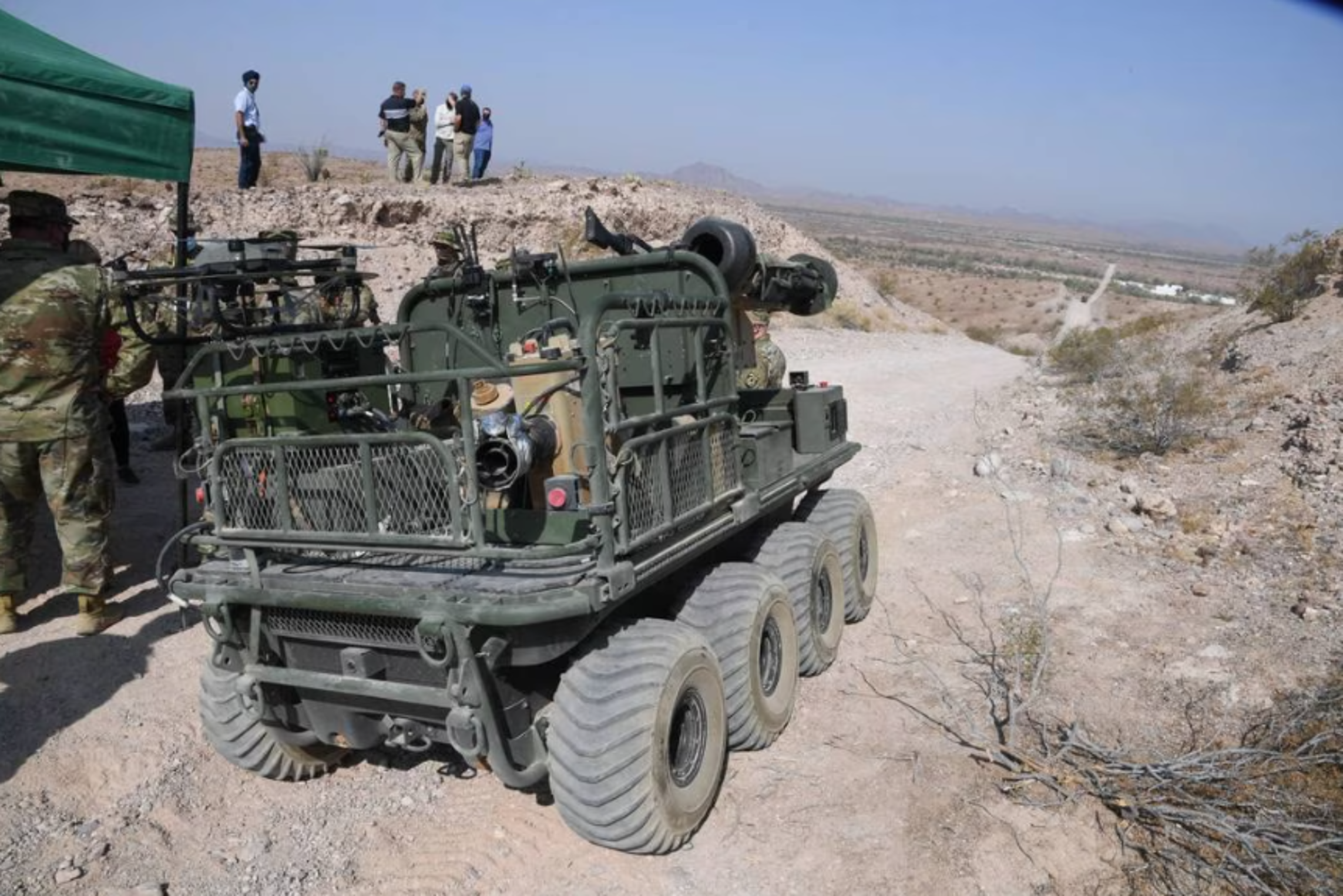
What commercial autonomous technology can do for US Army modernization
As the adoption of autonomous technology advances in the commercial sector, its potential applications within the U.S. Army grow increasingly promising, argue Lt. Gen. Joe Anderson (ret.) and Don Burnette. While the Defense Department has made strides in autonomous ground operations—such as "Leader-Follower" vehicles that follow a human-driven leader—the commercial world has leapfrogged these efforts. Driverless taxis and trucks are already a reality, and their capabilities could soon be adapted for military uses, such as re-supply, reconnaissance, and casualty evacuation. Partnering with commercial developers could also accelerate the Army's Robot Combat Vehicle initiative, which aims to make these vehicles fully autonomous. To leverage this transformative technology effectively, the Army must rethink its acquisition strategies and consider how commercial advances in autonomous systems can be adapted for the military to provide a strategic advantage. This involves moving beyond lab experiments to integrating mature, commercially-proven systems that can operate in complex, unpredictable environments similar to those encountered by the Army.